What is Documentary-Style Wedding Photography?
When couples first reach out to me, the most common thing they say is:
“We want candid wedding photos, but we’re not sure how to get them.”
Most people aren’t photographers, and they don’t have the language to quite describe what it is they love about candid images. They aren’t comparing shutter speeds or analyzing lighting techniques. They’re looking at images and asking themselves a much simpler question:
“Does this feel like us?”
More often than not, what they’re drawn to is documentary-style wedding photography.
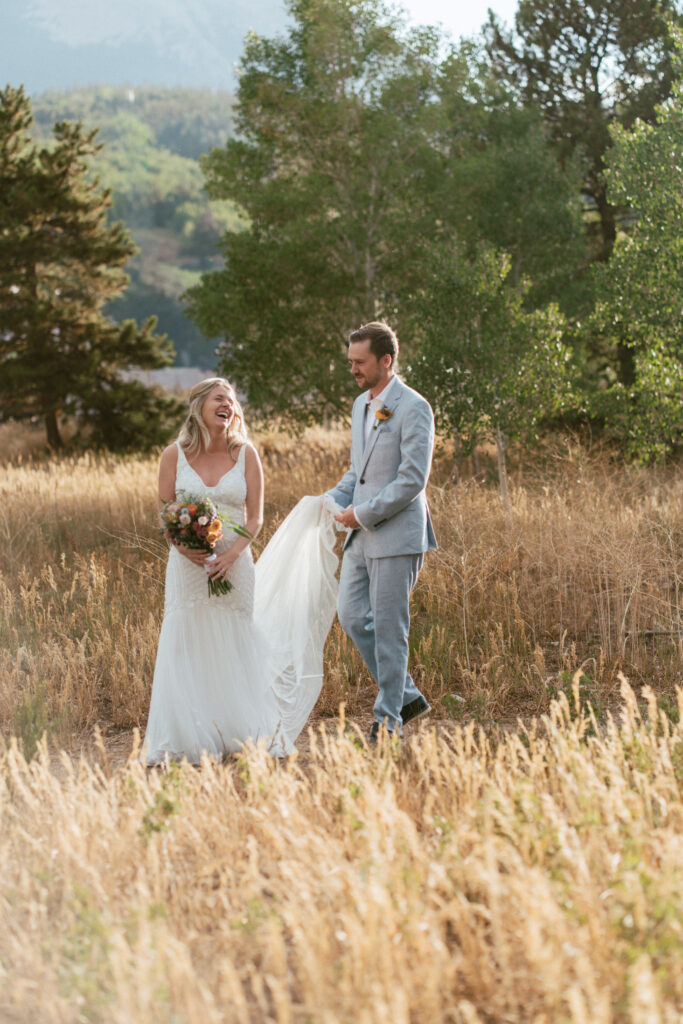
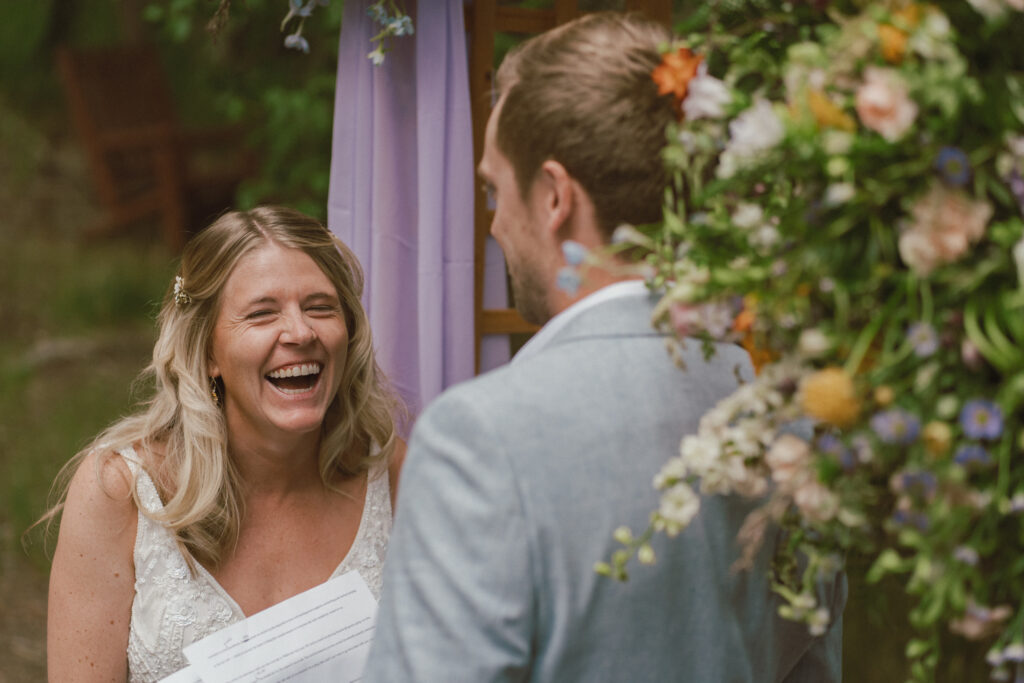
It’s the reason a photo of your grandmother wiping away a tear hits harder than a perfectly posed portrait. It’s the reason a blurry image of your partner laughing feels more meaningful than one where everything is staged.
It’s the reason so many couples are searching for a documentary-style photographer instead of someone who spends the day directing every moment.
But what exactly is documentary-style photography? How does a wedding photographer help couples create a day that is primed for these kinds of moments?
Let’s talk about it.
What is Documentary-Style Photography?
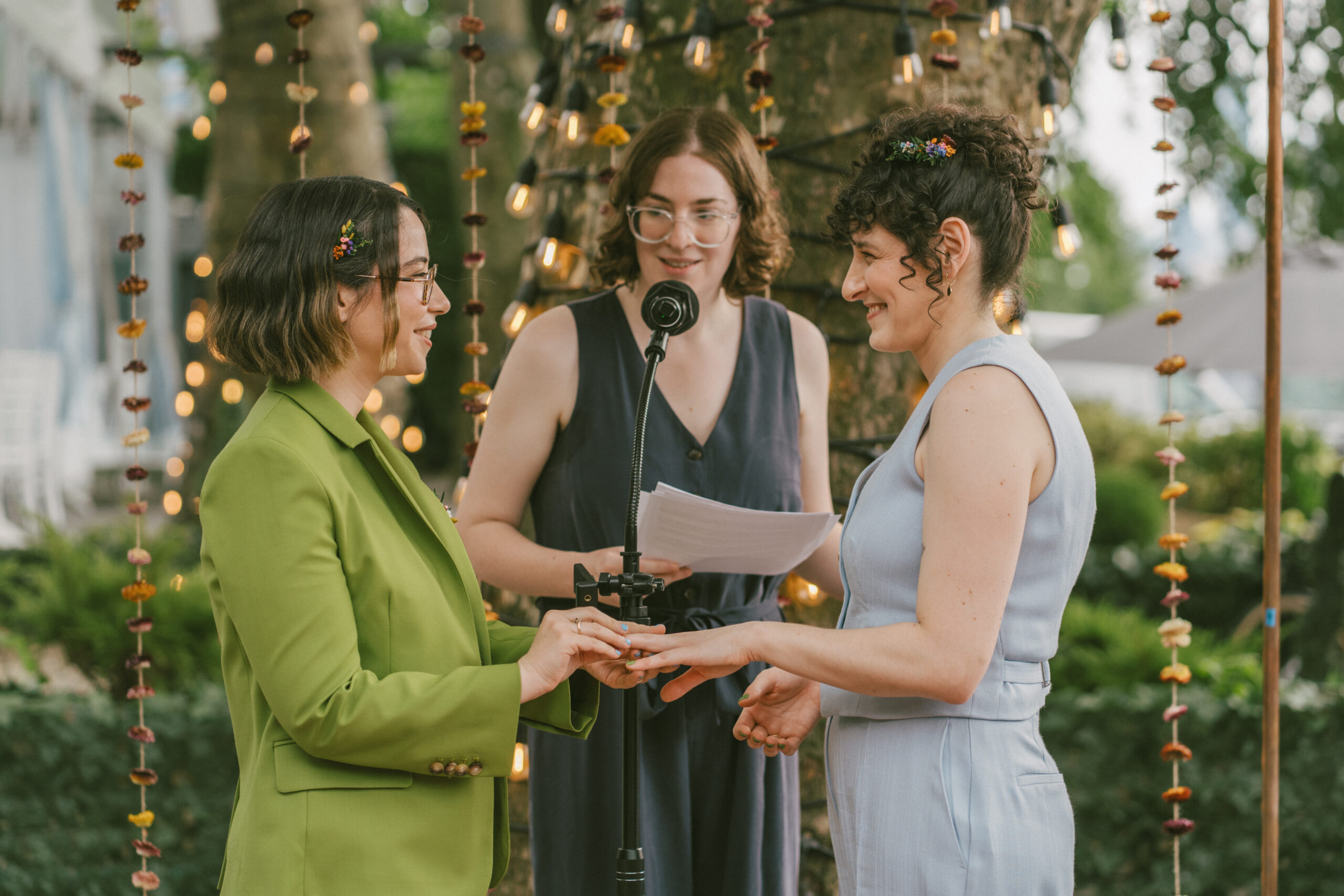
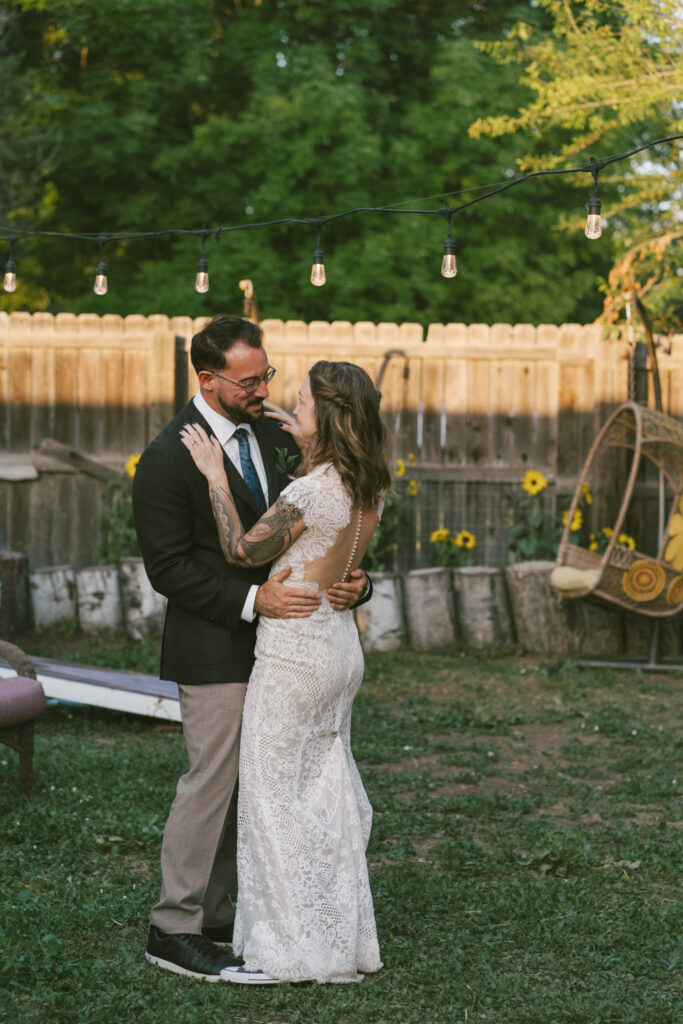
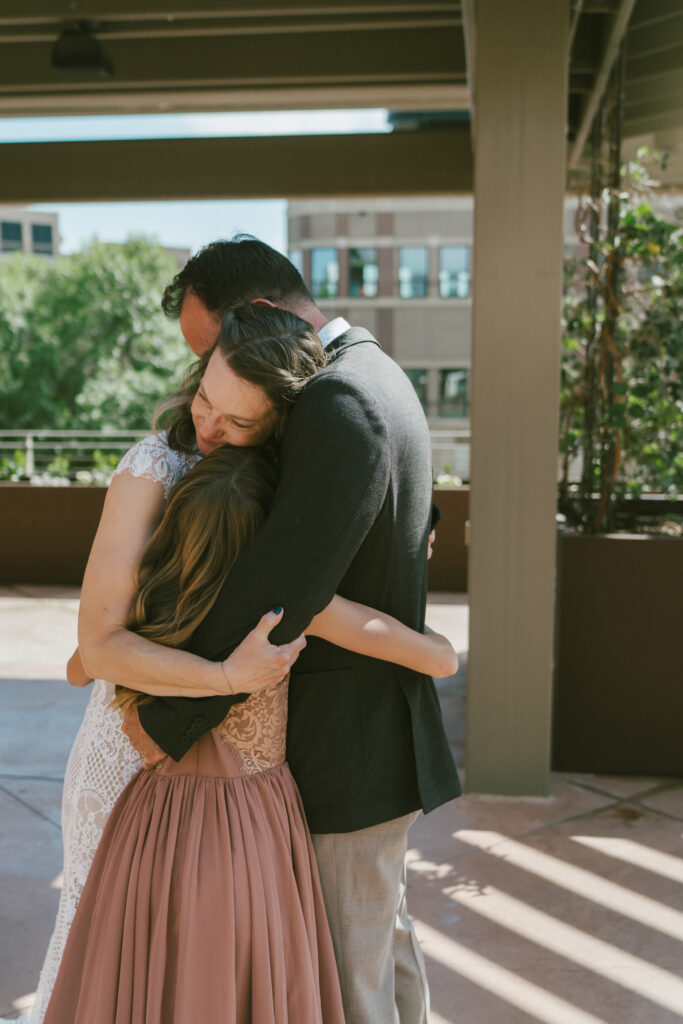
At its core, documentary-style photography is about storytelling. Instead of curating moments through posing, prompts, and direction, a documentary-style photographer observes them as they happen on their own.
Think of it like the difference between watching a movie and watching a documentary. That’s where the name itself comes from.
One is scripted. The other is rooted in reality. Neither is inherently better than the other, but they create very different experiences.
I’ve photographed dozens of weddings in Colorado, and my focus is on preserving what your wedding day actually felt like, not copying and pasting different couples into the same prescribed positions. I see my job as being an observer of the day, rather than the director of a storyline.
I capture the moments that become your story.
Documentary Photography Doesn’t Have to Mean “No Posed Photos”
This is one of the biggest misconceptions I hear.
Couples often worry that hiring a candid wedding photographer means they’ll end up with zero portraits and no guidance. That’s not always the case. It can be, if you want it to. But, oftentimes, couples are still looking for a bit of support.
Documentary-style photography exists on a spectrum. On one end, you have a photographer who does not interfere at all and prefers to capture the day without interjecting with any poses or prompts. But a lot of documentary-style photographers still provide direction when it’s helpful, in very specific parts of the day.
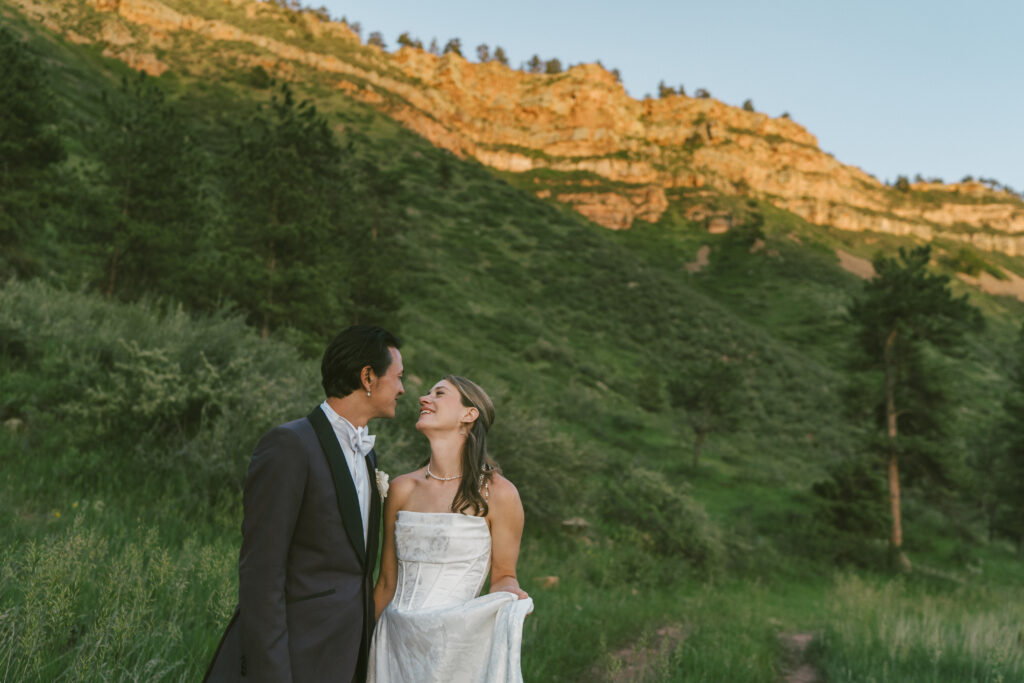
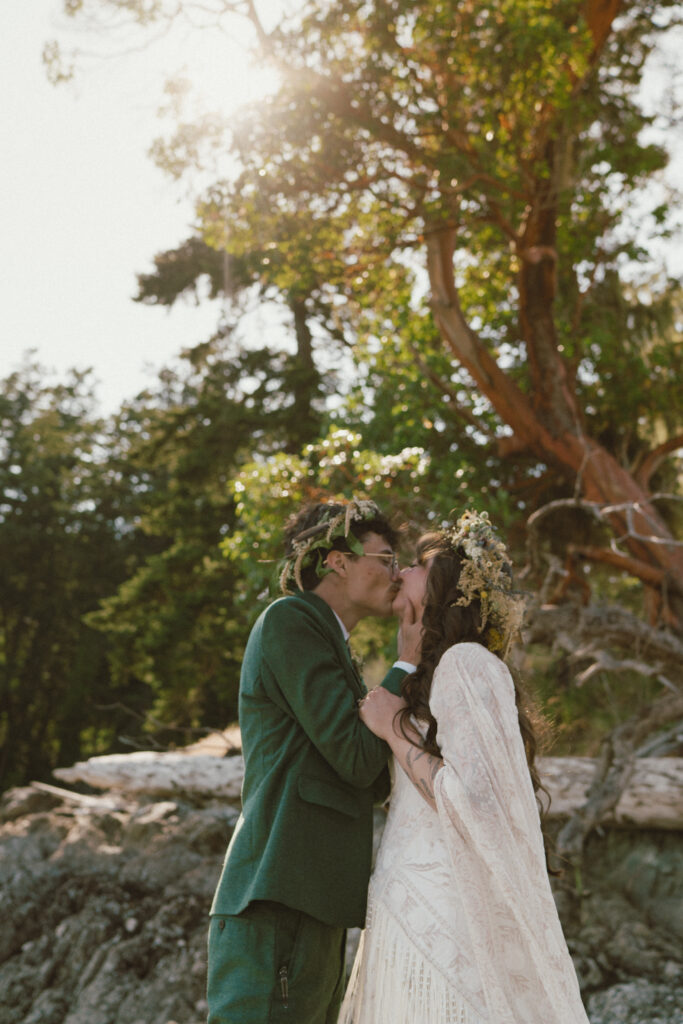
For example, during family photos, I’ll absolutely step in and organize people, make sure everyone’s seen and looking at the camera, and that their eyes are open. During couples portraits, I’ll often give prompts or gentle guidance so you don’t feel awkward standing there wondering what to do with your hands.
The difference is that I’m not trying to manufacture emotions. I’m creating space for real ones.
A real example:
Instead of saying, “Smile at each other”, I might ask you to tell your partner what you’ve been most excited about for the wedding.
The resulting smile is genuine and real.
Not every documentary-style photographer will provide this kind of guidance, so it’s important to ask about their approach. We’ll get to that in a minute.
The Difference Between Traditional Wedding Photography and Documentary Photography
Traditional wedding photography often prioritizes control. The photographer directs where people stand, how they interact, and what moments happen. They love a “shot list”, or a list of specific poses and moments they request the photographer capture.
Documentary-style photography prioritizes observation. The photographer’s superpower is in paying attention, anticipating moments before they happen, scanning for emotion, and then being ready to capture them artistically.
A real example of the difference:
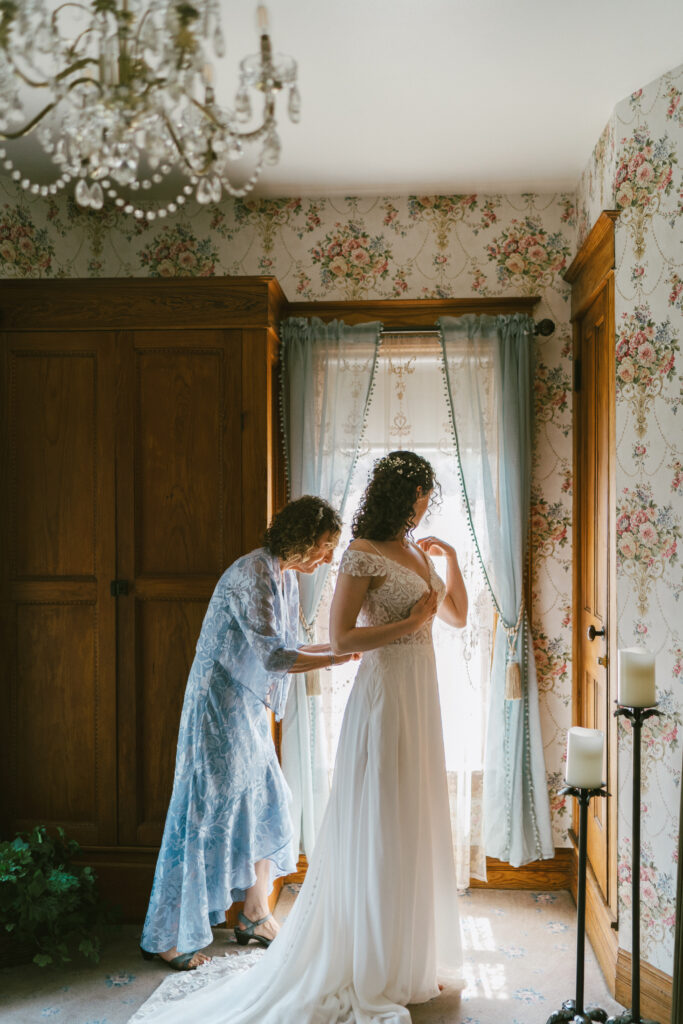
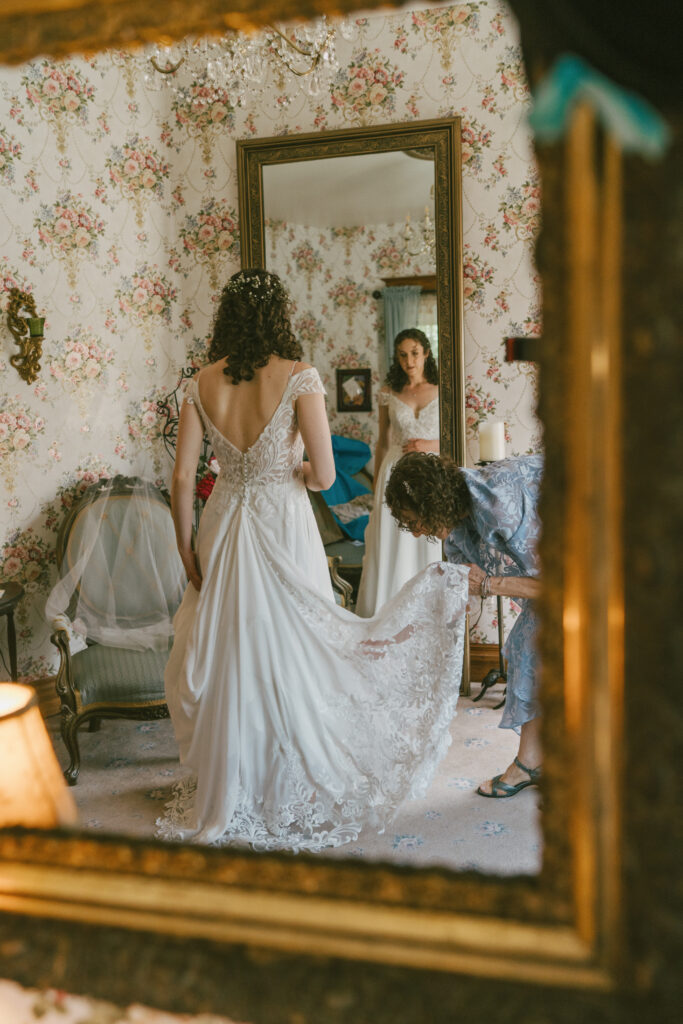
A traditional approach might involve lining everyone up for a perfect photo of the bride putting on her dress. The photographer might tell the bride where to stand, direct whoever is helping her get the dress on through each step and have them pause for key moments, and instruct feelings like smiling at each other or giving a hug.
A documentary approach leaves things more open-ended. The photographer might ask the people in the room if they’re ready to help the bride with her dress, then they stand back, ready to capture everything that happens next.
One shows what happened. The other shows what it felt like.
The Hug Nobody Planned
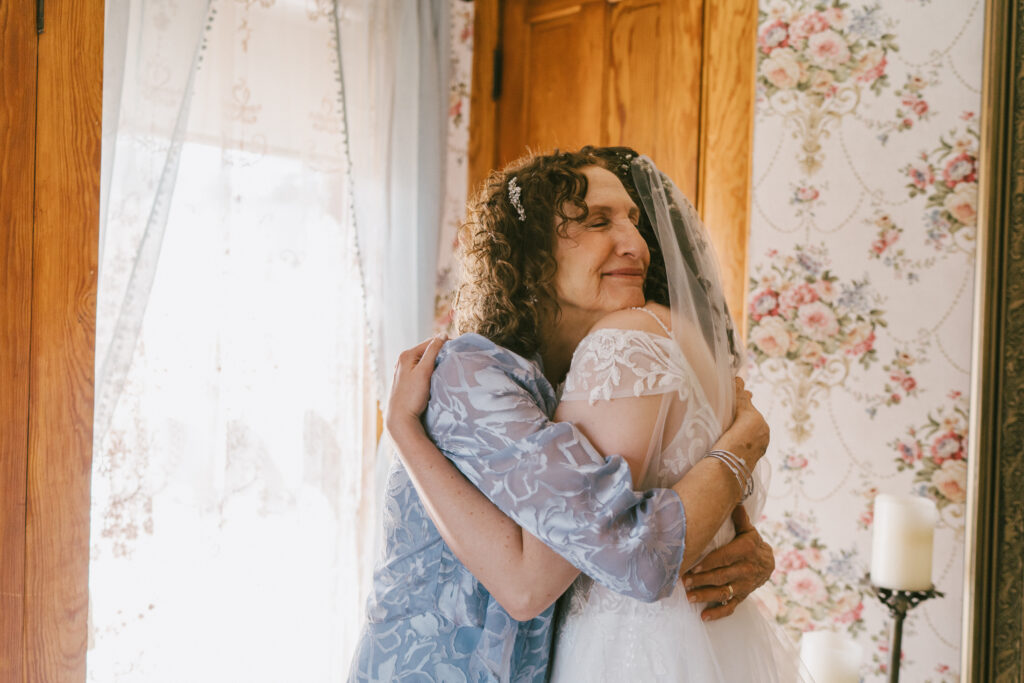
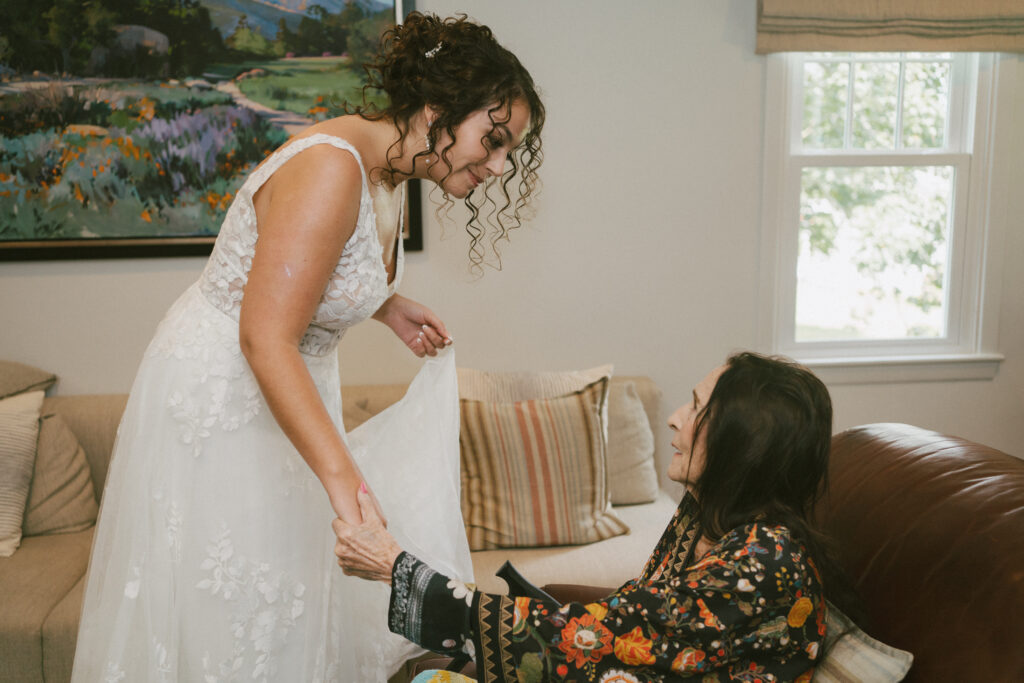
One of my favorite moments from a wedding happened during getting-ready photos.
The group had just finished getting the final touches on their hair and makeup when the bride’s grandmother unexpectedly grabbed her hand and held it tight. Nobody planned it. Nobody posed it. Few even noticed it was happening.
Within seconds, what had been a routine part of the day became one of the most emotional moments of the day.
That image ended up being one of the couple’s favorites, not because it was technically perfect, but because it was a memory.
The Minutes Before the Ceremony
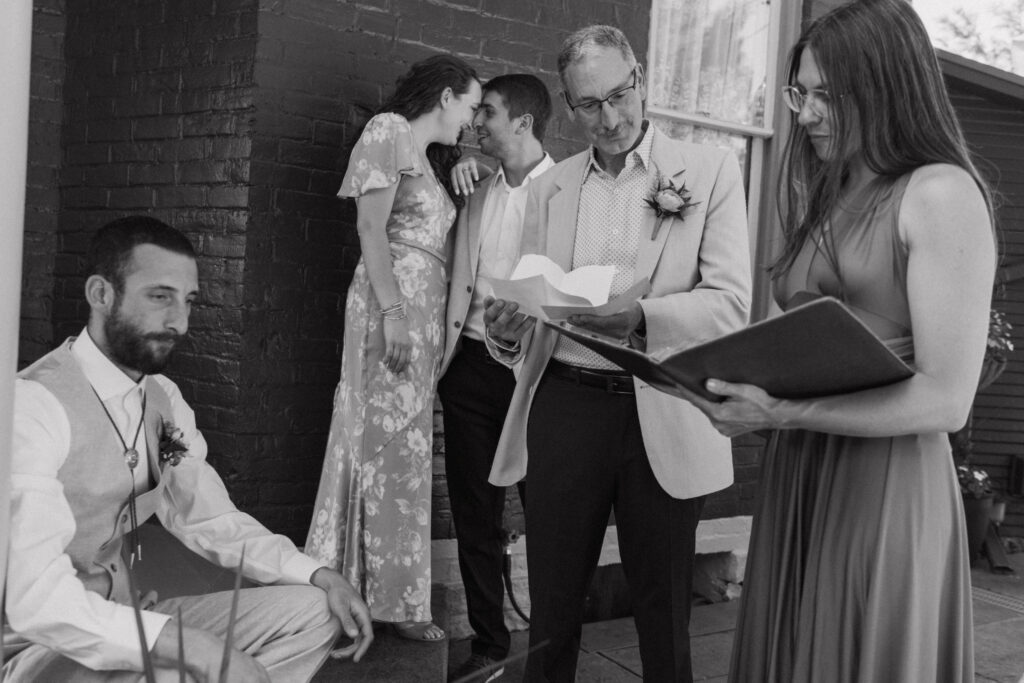
There’s a moment I look for at nearly every wedding. What’s happening right before the ceremony begins?
While guests are shmoozing with one another in their seats, there’s a story happening just before the couple comes down the aisle.
I’ve photographed the groom’s sister and her boyfriend making eyes at each other. I’ve captured the couple sharing snacks in the getting-ready room. I’ve witnessed couples dancing together to shake off the nerves before the big moment.
Most guests never see them, but they’re some of the most emotionally rich images in the final gallery.
That’s documentary-style photography. Paying attention to the moments everyone else misses.
Why Couples Are Choosing Documentary-Style Photography
I think a lot of couples are tired, jaded, and overwhelmed. Social media has created a lot of pressure around weddings.
Pressure for the day to be perfect, pressure to perform for the camera, pressure to have a wedding that feels worthy of posting online.
In my 8 years as a wedding photographer, I’ve seen things start to trend in a different direction. Many couples don’t want their wedding day to feel like a twelve-hour photoshoot.
They want to be present, spend time with the people they love, and have an experience.
A documentary-style photographer helps create that experience because the focus shifts away from performing and toward living.
Instead of asking: “How is this going to look?” you get to ask: “How do we want this to feel?”
What Makes a Great Documentary Style Photographer?
Shooting hundreds of weddings isn’t enough. Mastering the principles of lighting and composition is still not enough.
The best documentary-style photographers develop an entirely different set of instincts.
They learn to anticipate emotion, read body language, and recognize moments before they happen.
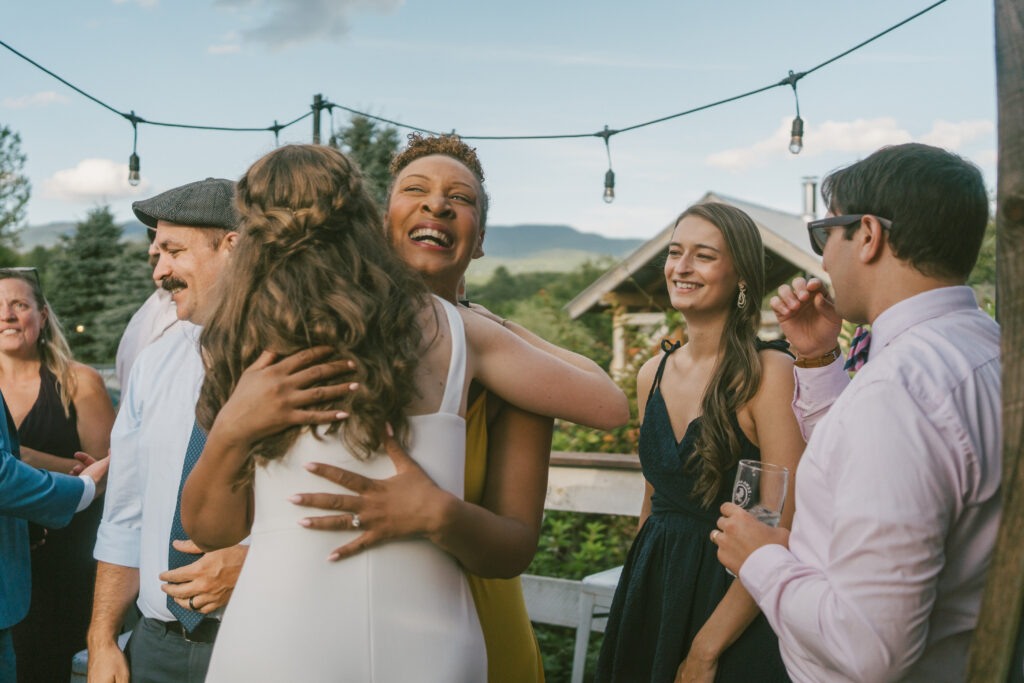
I listen for the people who are talking the loudest during the reception, knowing they speak not just with their voices but with their whole, animated bodies. I look for guests who are waiting their turn to hug the couple during cocktail hour, knowing it will be followed by big smiles and warm embraces. I wait patiently post-ceremony for the couple to have their “oh my god, we did it!” moment.
A great documentary-style photographer is ready for all of it, because their plan revolves around everything unplanned.
Questions to Ask a Documentary Style Photographer Before Booking
Not all documentary style photographers approach a wedding day the same way.
Some photographers are almost entirely hands-off. Others blend candid storytelling with more guidance throughout the day. Some photographers claim they are “documentary-style” because it’s trending on Instagram right now. That’s why it’s important to understand what a photographer actually means when they say they shoot weddings candidly.
When you’re meeting with potential photographers, here are a few questions worth asking.
How Do You Handle Couples Portraits?
This is probably the biggest one.
Some documentary photographers won’t pose you at all. They’ll simply follow you around and document whatever happens.
Others (myself included) take a slightly more guided approach.
I want your portraits to feel genuine, but I also know most people aren’t professional models. Standing in front of a camera can feel vulnerable, especially if you’re not used to it.
Ask your photographer questions like:
- Do you pose couples?
- Do you give prompts?
- How much direction do you provide?
- What do you do if we’re feeling awkward?
Their answer will give you a good sense of whether their approach matches your comfort level.
How Do You Approach Family Portraits?
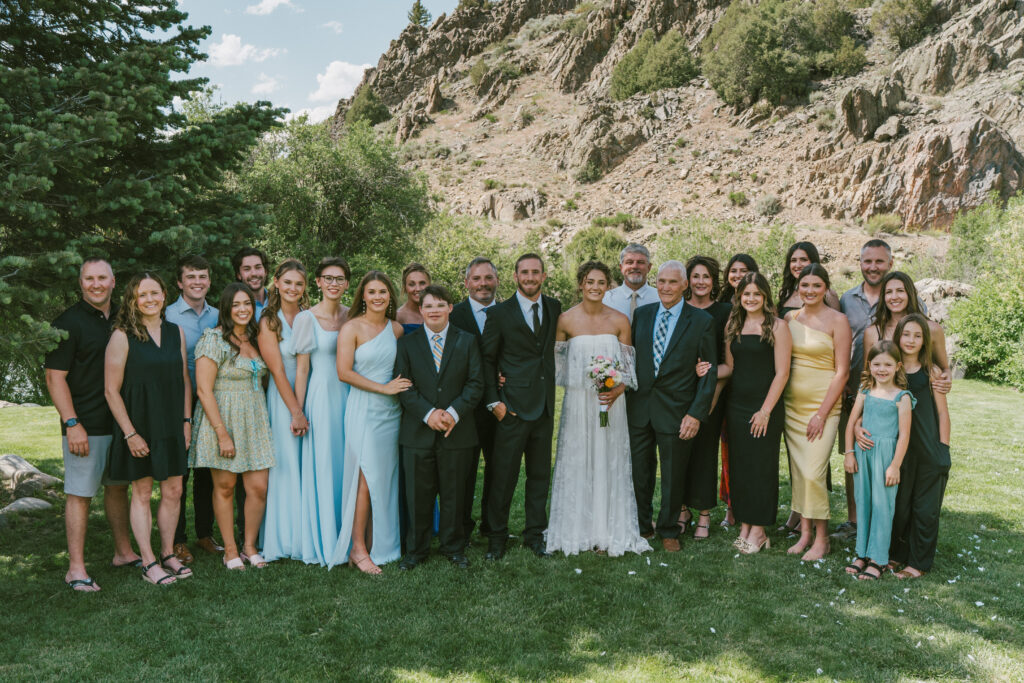
Family photos are one area where almost every photographer, documentary-style or otherwise, becomes a little more directive.
After all, someone has to notice that Grandpa Joe is 5 ft tall and standing in the back row unseen.
That said, photographers vary in how they approach this part of the day.
Some keep things very structured and efficient. Others may spend more time creating a relaxed environment where natural interactions can happen between formal groupings. Some documentary photographers will not provide posed group portraits at all.
A good question to ask is:
“How do you balance getting the must-have family photos while still allowing genuine moments to happen?”
The answer can tell you a lot about how they work under pressure and how they manage one of the most logistically complicated parts of the day.
What Parts of the Day Are Left Completely Candid?
This question often reveals more than any other.
Ask your photographer which parts of the wedding day they intentionally leave untouched.
For me, those are always:
- Getting ready
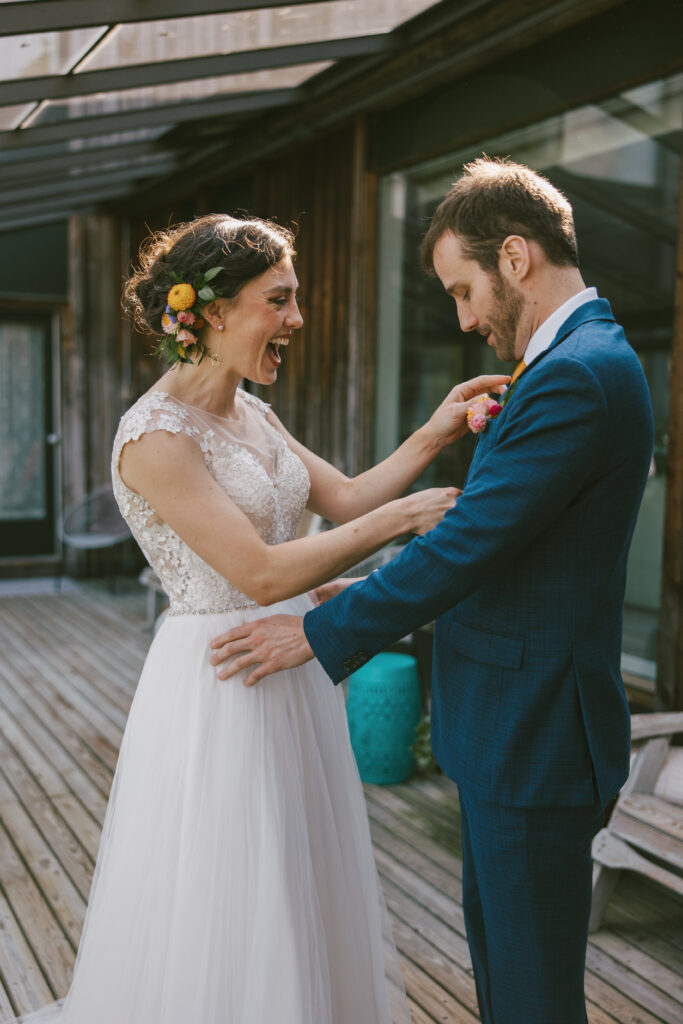
- A first look
- The ceremony
- Speeches and toasts
- First dances
- Parent dances
- Cocktail hour (unless a guest asks for a photo with friends/relatives
- Open dancing and reception moments
- Quiet interactions happening naturally throughout the day
These are the parts of a wedding where the emotions are already there. They don’t need direction. A documentary approach means trusting those moments enough to let them unfold on their own.
The more you understand where a photographer steps in—and where they step back—the easier it becomes to know whether their approach aligns with the experience you want on your wedding day.
At the end of the day, documentary-style photography is about more than just how your photos look. It’s about how you’ll spend your wedding day.
Signs Documentary Photography Might Be Right for You
You might love documentary-style photography if:
- You feel awkward being heavily posed.
- You care more about emotion than perfection.
- You want your wedding day to feel relaxed.
- You value candid moments.
- You want photos that tell a story.
- You care about how your wedding felt, not just how it looked.
- You’d rather spend cocktail hour with guests than take hundreds of portraits.
If that sounds like you, there’s a good chance a candid wedding photographer is the right fit.
Looking for a Documentary-Style Photographer in Colorado?
If you’re planning a wedding in Colorado and want photos that feel genuine, emotional, and true to your experience, documentary-style photography might be exactly what you’re looking for.
Whether you’re celebrating in Denver, the Rocky Mountains, or anywhere in between, my approach is centered around helping you stay present while I focus on telling the story.
Because years from now, I don’t want you to simply remember what your wedding looked like.
I want you to remember what it felt like.