
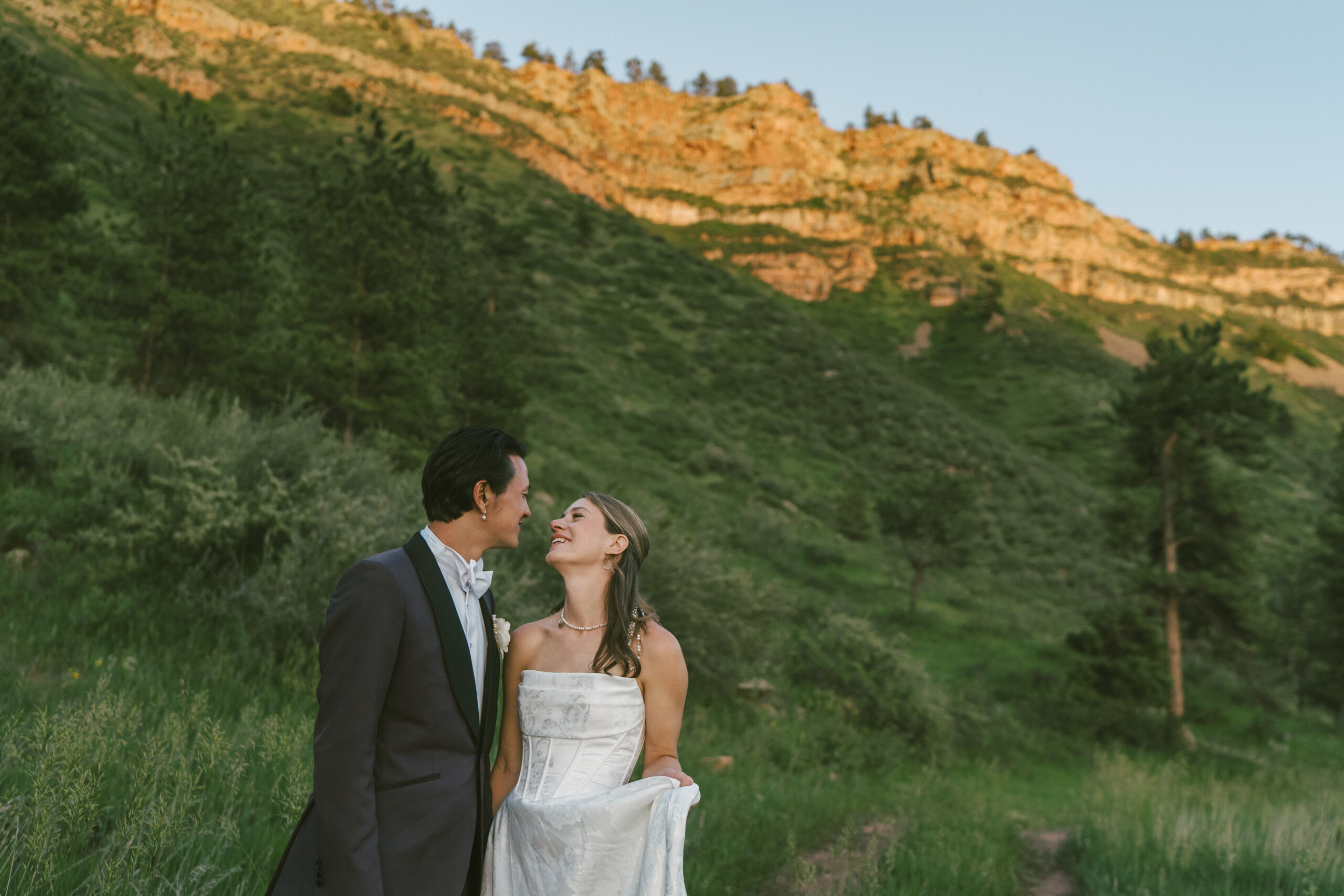
When Is the Best Time to Get Married in Colorado?
If you’re trying to figure out the best time to get married in Colorado, you’ve probably already discovered that the answer is… annoyingly complicated.
Colorado doesn’t really do predictable weather. You can have a 70-degree day in January, snow in May, a thunderstorm that appears out of nowhere in July, and a perfectly crisp bluebird day in October. And if you’re getting married in the mountains, elevation can change the entire equation.
So, is there actually a best time to get married in Colorado?
Kind of.
There are definitely seasons that are better suited to certain types of weddings. But instead of telling you that September is automatically the answer, I want to help you figure out which season makes the most sense for the wedding you actually want to have.
In this guide, we’ll break down what Colorado weddings are really like in spring, summer, fall, and winter—including weather, scenery, outdoor accessibility, guest comfort, and what each season means for your wedding photos.
And spoiler: there is no wrong season to get married in Colorado. There’s just probably a season that fits you better than the others.
First things first: Colorado’s weather is VERY location-dependent
Before we get into the seasons, there’s one thing you need to know about getting married in Colorado:
“Colorado weather” isn’t one thing.
A June wedding in Denver is a completely different experience from a June wedding in Breckenridge. An October wedding in Fort Collins is different from an October wedding in Telluride.
Elevation, location, and even the exact orientation of your venue can affect temperature, snow, wildflowers, fall color, sunset, and how comfortable it is to be outside.
That matters even more if you’re planning a mountain wedding or elopement.
For example, Rocky Mountain National Park notes that some ceremony locations aren’t available during the summer, and its wedding permits can reach capacity months in advance. For 2026, May–June and August–October permits were already fully booked as of May.
So before choosing a date because you love the idea of fall in Colorado or a snowy winter wedding, look first at the specific location you’re considering.
The season is only half of the equation. The location matters just as much, and it’s a better place to start planning.
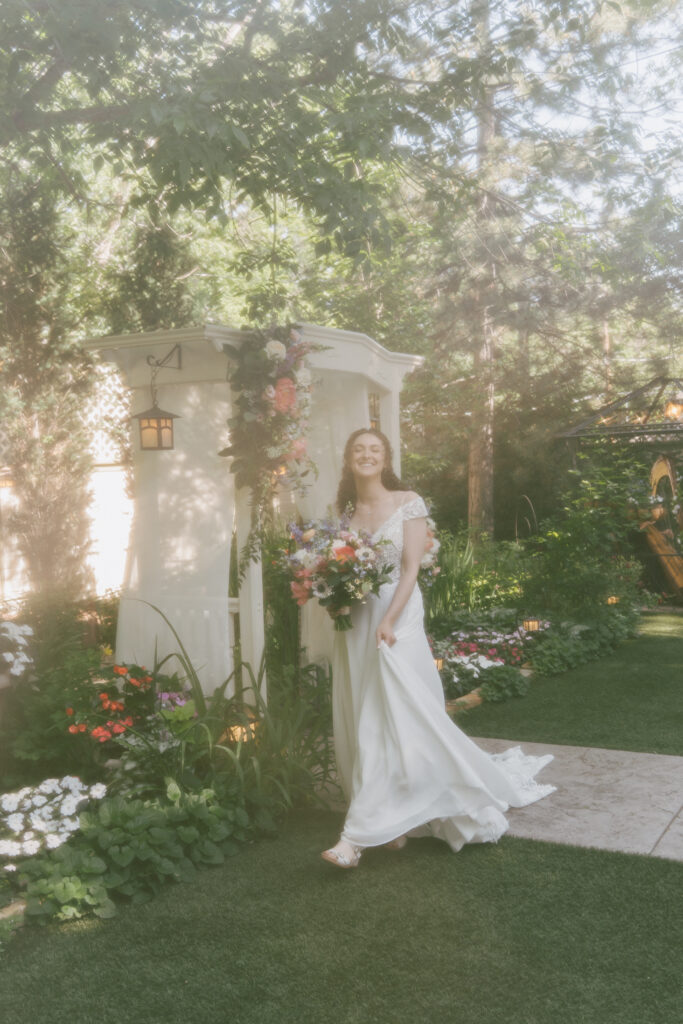
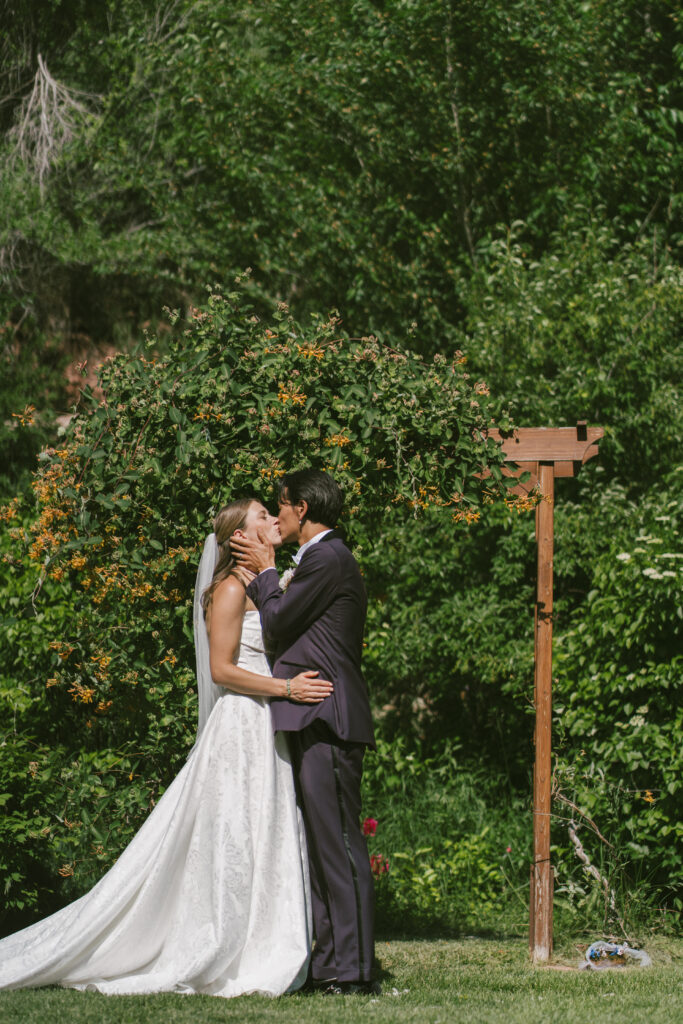
These two weddings took place just five days apart, but the June heat felt very different. On the left, this backyard wedding in Loveland, CO benefited from shade provided by the property’s house, keeping the ceremony and reception spaces cool for most of the day. On the right, the couple and their guests were in full sun for their Lyons, CO ceremony, making the same June temperatures feel significantly hotter.
Spring weddings in Colorado: March–May
Let’s get one thing out of the way: Spring in Colorado does not necessarily mean spring weather.
If you’re picturing warm afternoons, wildflowers, and everything turning green, you might want to adjust your expectations.
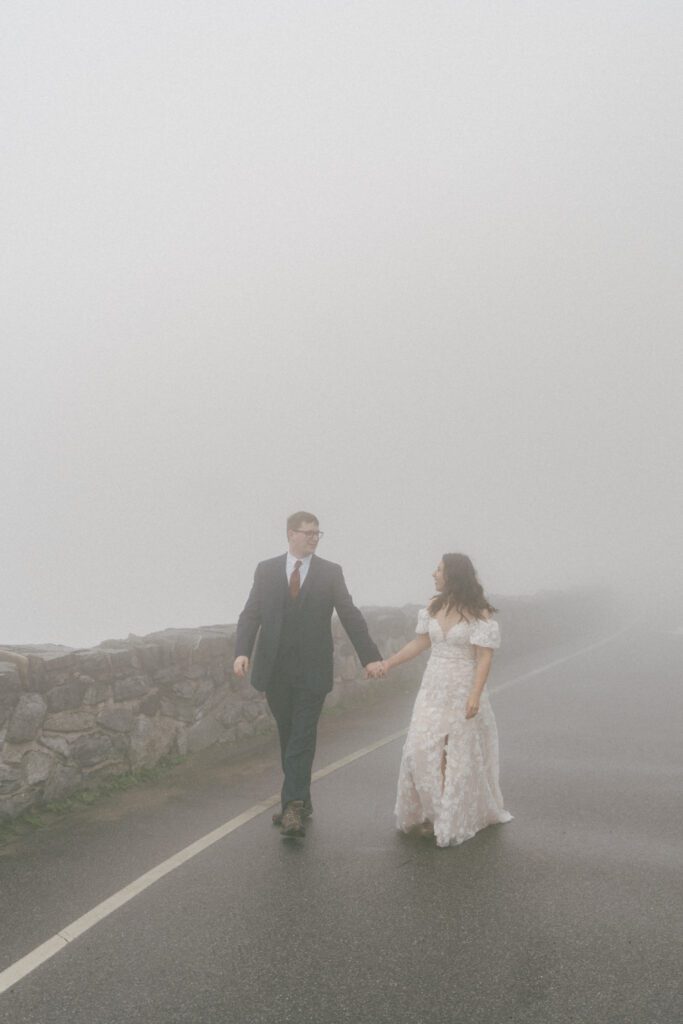
March and April can absolutely still be winter. Even May can bring snow, especially at higher elevations. Colorado’s mountains also go through what locals lovingly call mud season as the snow melts and trails become wet and sticky.
But that doesn’t mean spring is a bad time to get married here! Actually, I think spring can be a really beautiful choice if you’re not looking for the stereotypical Colorado wedding.
What spring is good for:
Spring weddings can have a quieter, more intimate feeling. You’ll generally be dealing with fewer tourists than during peak summer and fall, venues tend to be a bit cheaper during what’s considered the “off season”, and the landscape can be wonderfully moody.
Colorado is known for its bluebird skies and intense sun, so spring also brings lower temperatures that lend themselves to a more comfortable day.
Think:
- Dramatic clouds
- Snow on the mountains in the distance
- Early greenery at lower elevations
- Fewer crowds
- Cozy indoor celebrations
- A less traditional wedding-season feel
There’s something really beautiful about photographing a couple bundled up outside with snow still on the peaks, then coming back inside to a warm dinner and everyone packed around the table.
The biggest spring wedding considerations
Snow: Higher elevations can still have significant snow well into spring.
Mud: Mountain trails and outdoor locations can be muddy as snowpack melts.
Temperature swings: A sunny afternoon can turn cold quickly at night.
Wildflowers: If you’re dreaming of an alpine wildflower-filled wedding, spring is probably too early. Higher-elevation blooms generally arrive later, typically in July.
Accessibility: Some mountain locations may still be difficult or impossible to access.
Spring is best for couples who…
Don’t mind a little unpredictability and would rather have a wedding that feels unique than chase the most popular wedding season.
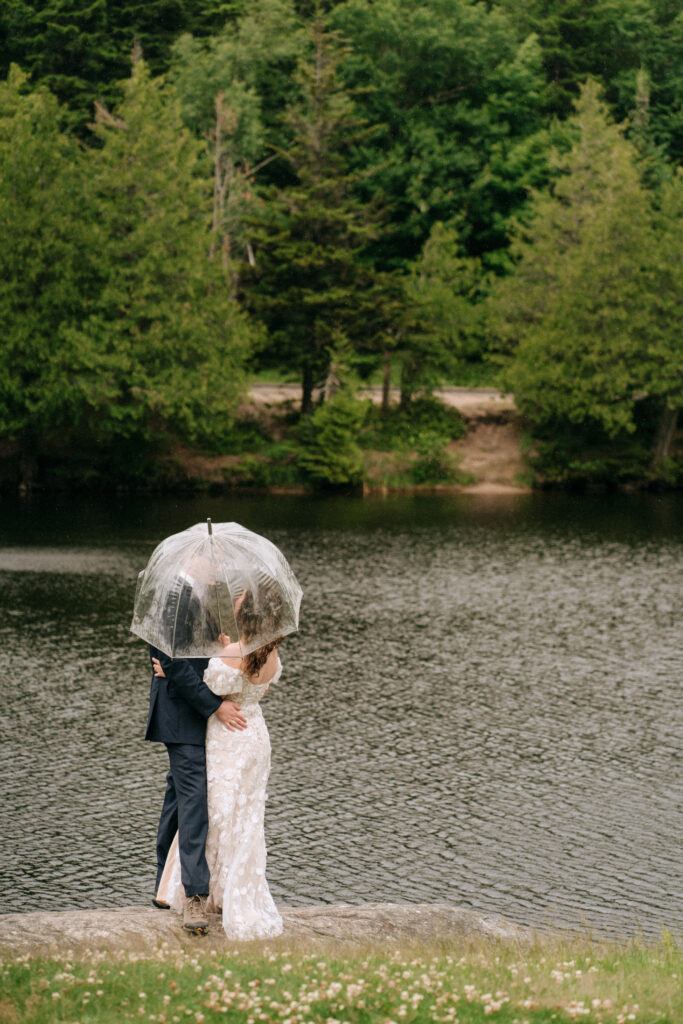
Summer weddings in Colorado: June–August
Summer is popular for a reason.
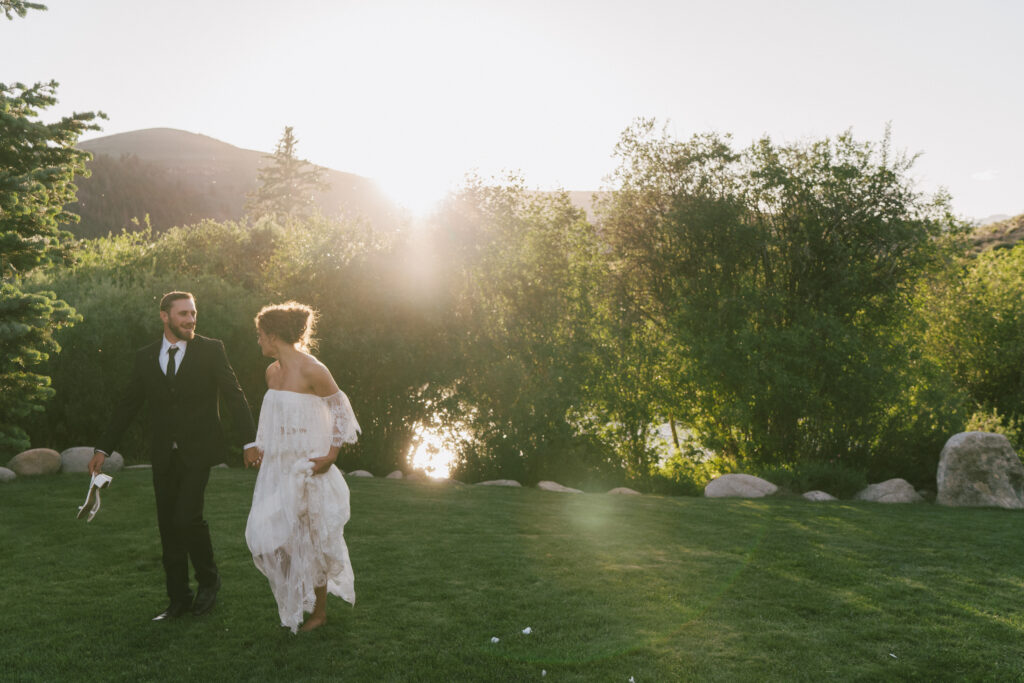
The days are long. The mountains are green. Wildflowers start showing up at higher elevations. Roads and trails are generally more accessible. And you have more daylight to actually enjoy being outside with your people.
If you’re dreaming of an outdoor ceremony, cocktail hour outside, a long dinner, or spending most of your wedding day exploring Colorado together, summer is a great option. But there are a few very important Colorado-specific catches, which I’ll address below.
What I love about summer weddings
Summer gives you some of the most classic Colorado scenery:
- Wildflowers
- Long golden evenings
- Comfortable mountain temperatures
- Outdoor ceremonies
- Outdoor cocktail hours
- Hiking and adventure sessions
- Sunset portraits
- Lots of time outside with your guests
And from a photography perspective, that extra daylight gives us a lot of flexibility.
The biggest summer wedding considerations
Afternoon storms: Your timeline and location should have some flexibility built in. Consider indoor-outdoor venue options.
Heat: Denver and lower-elevation locations can get genuinely hot. This season, most days in late June and all through July were in the high 90’s and low 100’s.
Lightning: If you’re planning an exposed mountain ceremony, you need a real weather plan. Lightning isn’t something to casually wait out on an alpine overlook.
Crowds: Summer is peak travel season in many Colorado mountain towns. Traffic can be significant, especially on I-70, which is the route to many mountain venues.
Wildfire smoke: Depending on the year and location, smoke can affect mountain visibility and air quality, posing health risks and ability to safely enjoy the day.
If your heart is set on a summer wedding, I would absolutely go for it. Just don’t build a timeline where everything depends on the weather behaving perfectly.
Colorado is going to do what Colorado is going to do. Your plan should have room for that.
Fall weddings in Colorado: September–November
Okay, I’ll admit it:
Fall is hard to beat.
If you asked me when I would choose to get married in Colorado based purely on the combination of weather, light, and scenery, September would probably be my pick. That’s why most professionals will tell you that September is the best month to get married in Colorado.
But there’s an important distinction between September and fall as a whole.
Early fall can still feel like summer. Late October can feel like winter. And November is a completely different experience from September.
Why September is so popular
September often gives you a really lovely balance:
- Comfortable daytime temperatures
- Cooler evenings
- Beautiful light
- Green landscapes transitioning into fall
- Fewer afternoon storm concerns than peak summer
- Plenty of opportunities for outdoor portraits
And then there’s the obvious:
THE ASPENS.
If you’re dreaming about golden mountains, fall color is one of the biggest reasons to choose a Colorado fall wedding.
But here’s where I want to save you from a little disappointment:
Don’t choose your wedding date based on a guaranteed peak of fall color.
Fall color varies by location, elevation, weather, and year. Higher elevations generally turn before lower elevations, and the window for peak color can be surprisingly short.
So if golden aspens are the priority, build some flexibility into your location rather than assuming that a specific Saturday in September will automatically be peak.
What about October?
October can be absolutely gorgeous. It can also snow. It can also rain. Or even hail. That’s Colorado for you!
If you’re planning an October wedding, especially in the mountains, I would make sure your venue has a comfortable indoor option and that you’re genuinely okay with the possibility of chilly temperatures or an early snowfall.
Fall is best for couples who…
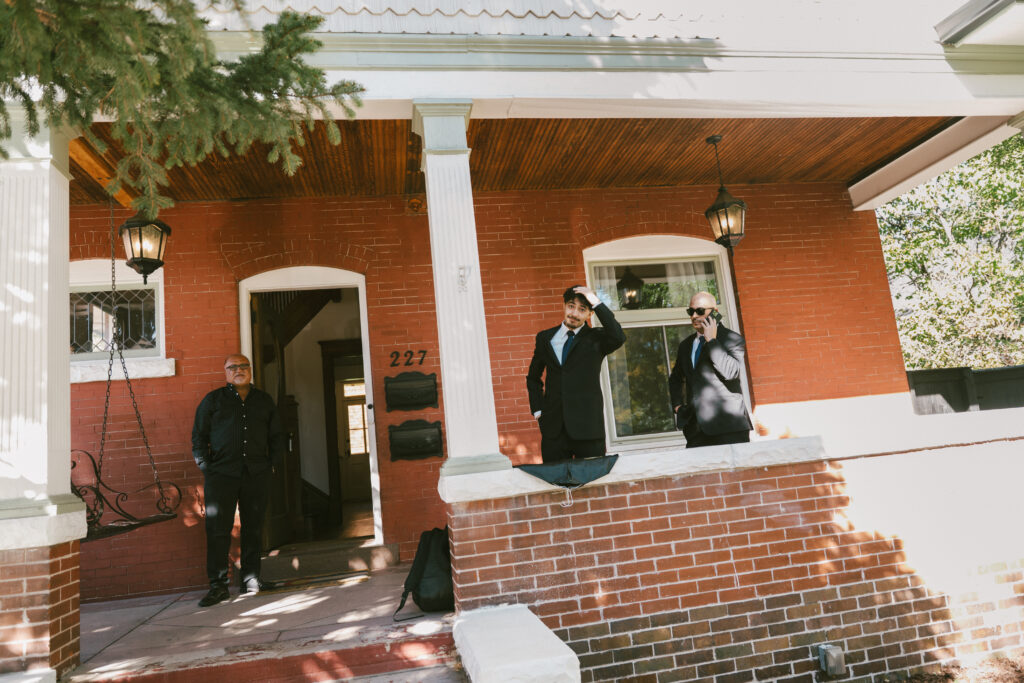
Want the quintessential Colorado mountain wedding, love earthy colors and changing leaves, and don’t mind cooler evenings or a little weather uncertainty. And if you’re getting married in Denver, October is prime time when the city starts to cool off!
Winter weddings in Colorado: December–February
If you want a wedding that feels completely different from the typical Colorado wedding, consider winter.
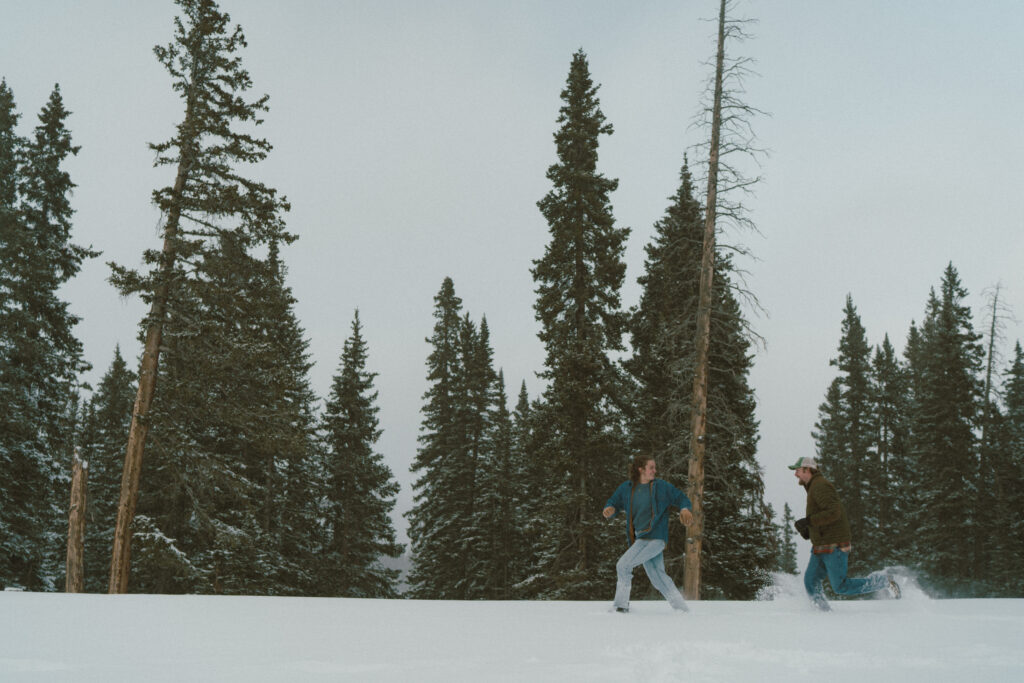
Winter weddings can be incredibly atmospheric. This is the season for embracing adventurous ski-town energy, crisp air coupled with warm sun, and cozy fireside vibes. And because fewer couples choose winter, you may also have more flexibility and lower prices with certain venues and vendors.
A winter wedding leans into being indoors.
Get married somewhere cozy. Have dinner with your favorite people. Step outside for a short portrait session. Come back inside. Drink something warm. Dance.
Your wedding doesn’t have to revolve around being outside just because you’re getting married in Colorado.
The biggest winter wedding considerations
Cold: Especially at higher elevations.
Shorter daylight: Your timeline needs to account for an earlier sunset.
Travel: Snow and winter weather can affect roads and mountain passes.
Guest comfort: Your guests probably don’t want to stand outside in formalwear for an hour.
Snow isn’t guaranteed: If your dream is a snow-covered wedding day, remember that weather is still weather. Choosing January or February gives you a better shot than early winter, but nothing is guaranteed. Especially right now, Colorado is experiencing a year-round drought with record-breaking lack of snowfall. Snow is never promised.
Winter is best for couples who…
Want cozy, intimate, dramatic, and a little unconventional—and don’t mind trading long outdoor days for atmosphere.
So… when is the BEST time to get married in Colorado?
If you want the short answer:
September is probably the best all-around month for a Colorado wedding.
But I don’t actually think that’s the most useful answer.
Instead, think about what you want your wedding day to feel like.
Choose spring if you want:
- A quieter wedding season
- Moody skies
- Snowy mountain backdrops
- Fewer crowds and simpler travel
- Something a little less traditional
- A little adventure and unpredictability
Choose summer if you want:
- Long days
- Green mountains
- Wildflowers
- Lots of outdoor time
- An outdoor ceremony and reception
- Don’t mind heat
- A classic Colorado mountain experience
Choose fall if you want:
- Golden aspens
- Crisp mountain air
- Beautiful, soft light
- Comfortable daytime temperatures
- An earthy, cozy atmosphere
- That unmistakable Colorado feeling
Choose winter if you want:
- Snow
- Cozy indoor spaces
- Dramatic mountain scenery
- Fewer crowds
- Ski-town energy
- A wedding that feels completely different from the norm
And if you’re still completely undecided?
Late August through September is a pretty fantastic place to start.
You can get some of the lushness of summer, cooler temperatures, beautiful light, and potentially the beginning of fall color depending on where you’re getting married.
Ready to plan your Colorado wedding?
If you’re planning a Colorado wedding and still trying to figure out when, where, and how you want your day to unfold, I’d love to help.
As a documentary-style Colorado wedding photographer, my approach is rooted in capturing candid emotions, with just enough direction for when you need it.
I’m especially drawn to couples who care more about being present than performing for the camera, and those who want photographs that feel like them, rather than a collection of wedding-day poses.


