
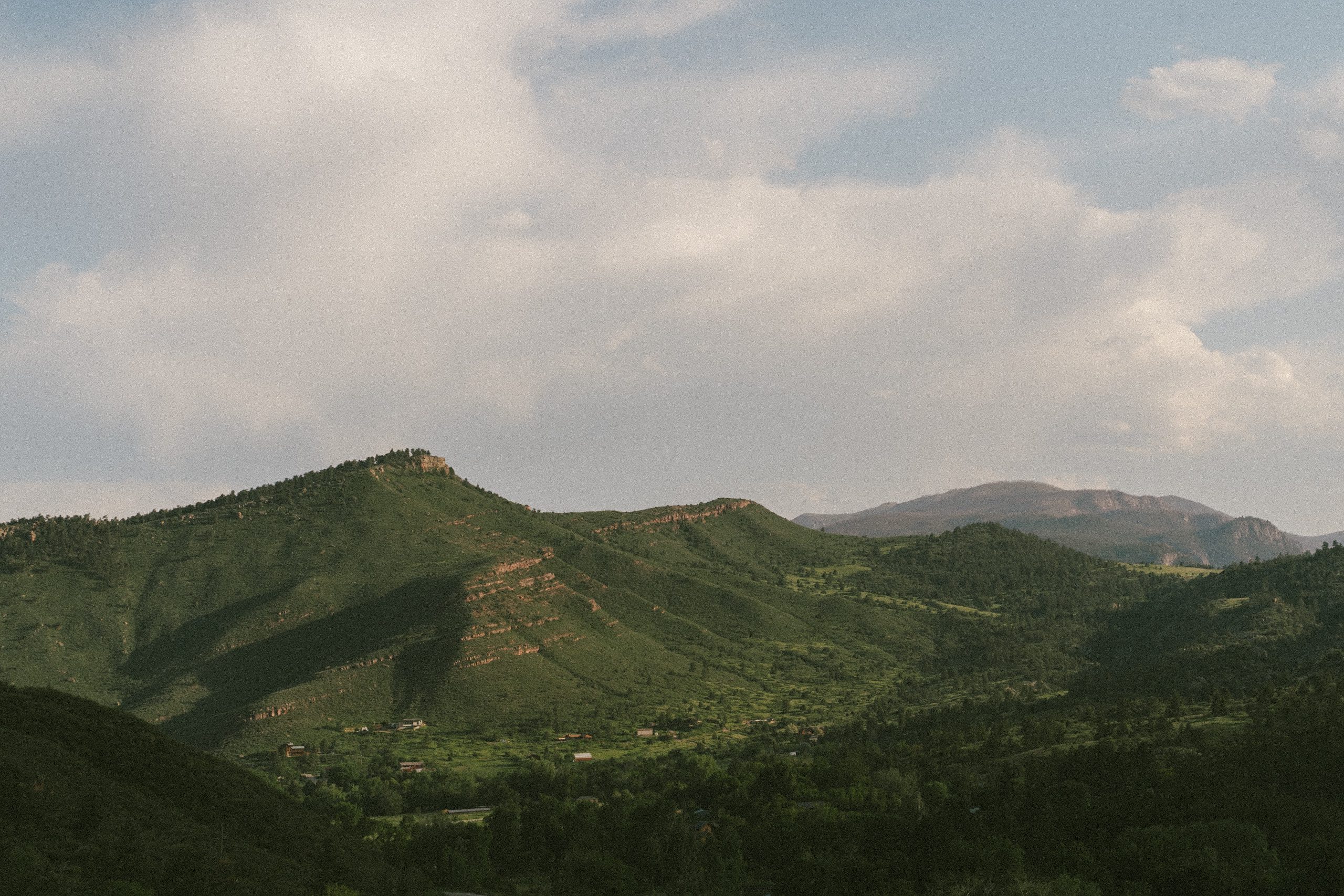
How to Choose a Wedding Venue – Advice from a Colorado Wedding Photographer
Indoor or outdoor ceremony spaces. Tent or no tent. Getting ready on site or somewhere else. How much space is actually needed to accommodate your guests. And now you’ve hit decision paralysis. Choosing a wedding venue went from exciting to stressful as f*** real quick.
Suddenly you’re stuck wondering if you’ll ever find a place that feels just right, within your budget, that’s available on the date you want. What once felt like planning the best day ever now feels like apathy and overwhelm. I’m going to tell you something you might not believe right now: it doesn’t have to be this way!
I’ve created this guide to help you get away from the noise and dial in on what’s actually important to you. Consider this your decision-making roadmap. Let’s dive in.
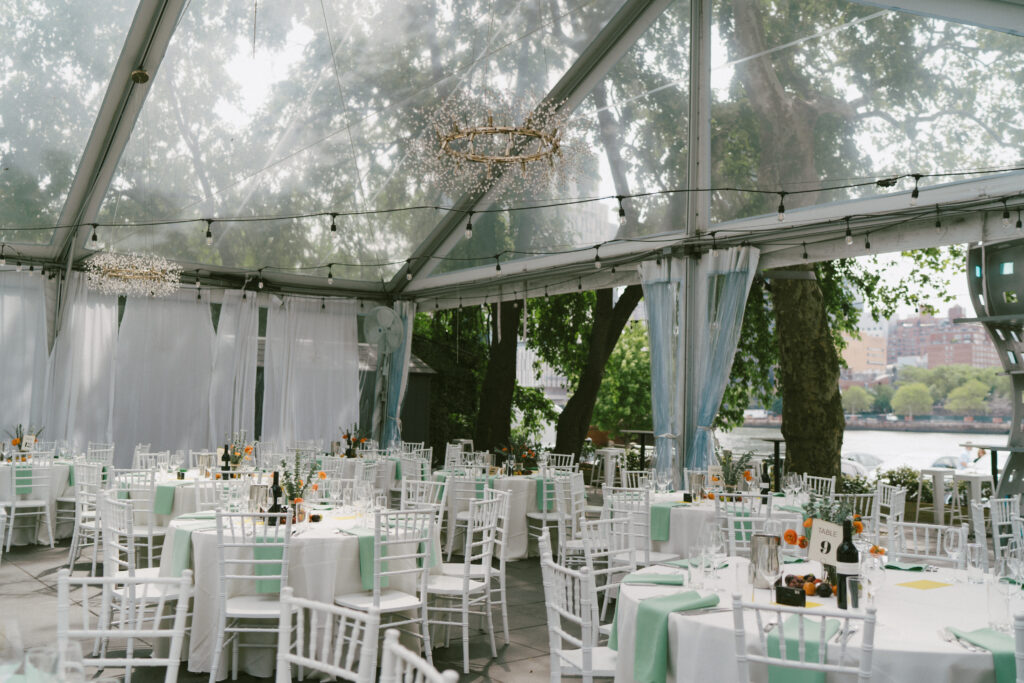
Step One: Start with your non-negotiables
Before looking at venues, figure out the handful of things that would genuinely make a venue a no-go.
Sit down with your partner and discuss:
- How far do we/our families want to travel?
- What is your maximum guest count? How many people would start to feel like too many, if everyone who received an invite RSVP’ed that they’re attending?
- What is your total wedding budget? Consider your venue as 20-30% of your total budget.
- What season/month do you want?
- Are you set on a specific date, or are you flexible?
- Is it important for one, both, or neither of you to get ready at the venue?
- Do you want the ceremony and reception on the same property?
- Do you need overnight accommodations at the venue? For how many people?
- Do you need an indoor option for bad weather?
- Are there accessibility needs you need the venue to accommodate?
- Are there any cultural, religious, or logistical requirements that affect the space?
The important distinction: These aren’t preferences. They’re the things that would make you say “absolutely not” to a venue.
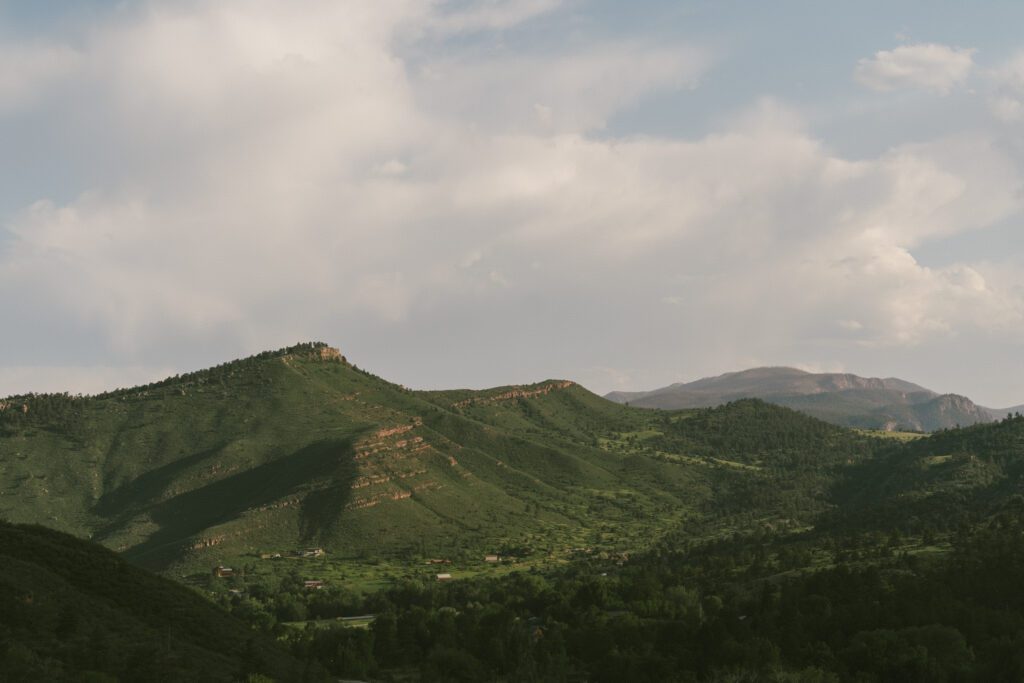
Step Two: Figure out your wedding-day priorities
This is where I’d get more personal and less logistical.
Choose 3–5 things that matter most:
- Being outside for as much of the day as possible
- Having everyone together in one place
- Having a beautiful natural setting
- Being able to bring our own vendors
- Having a really good dinner/food experience
- Dancing late into the night
- Playing music loudly
- Having a relaxed, intimate atmosphere
- Having lots of space for guests to mingle
- Being able to personalize/decorate the space
- Having a seamless rain plan
- Making sure all our people can access the space, no matter their mobility, age, or abilities
- Having the wedding feel distinctly like us
Your priorities should carry more weight than a venue’s Pinterest-worthy features. Don’t get distracted by pretty venues that don’t actually support the wedding experience you want.
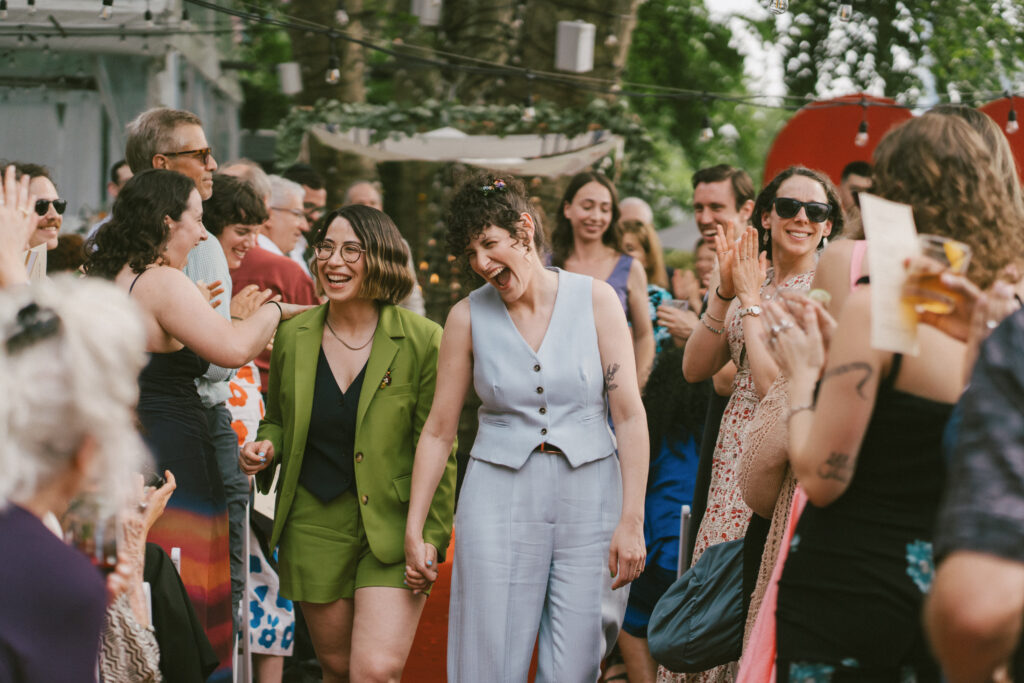
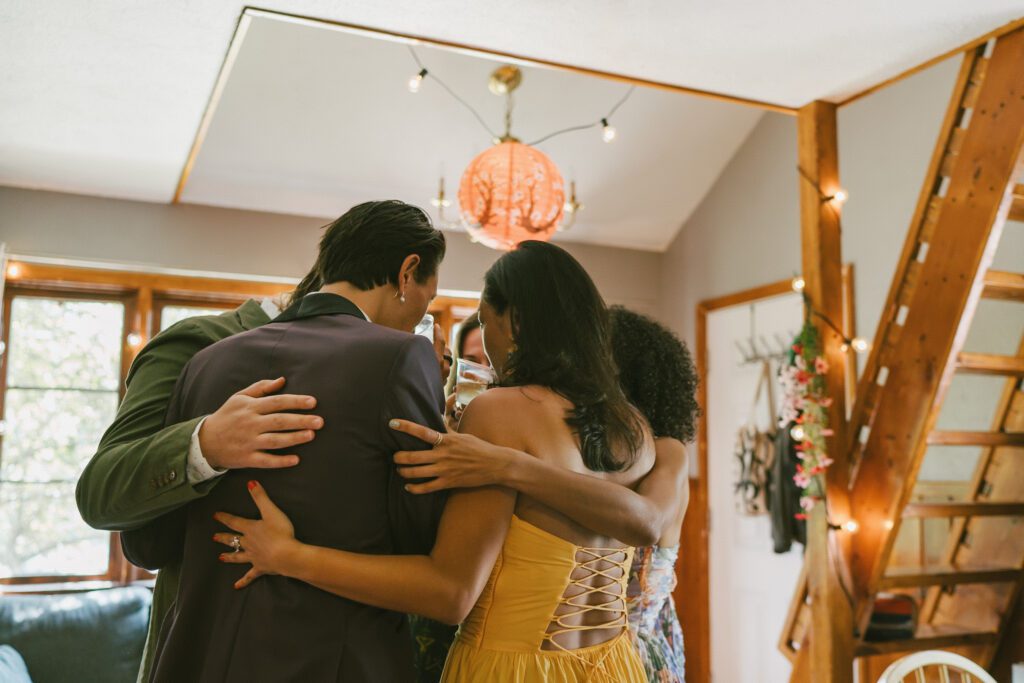
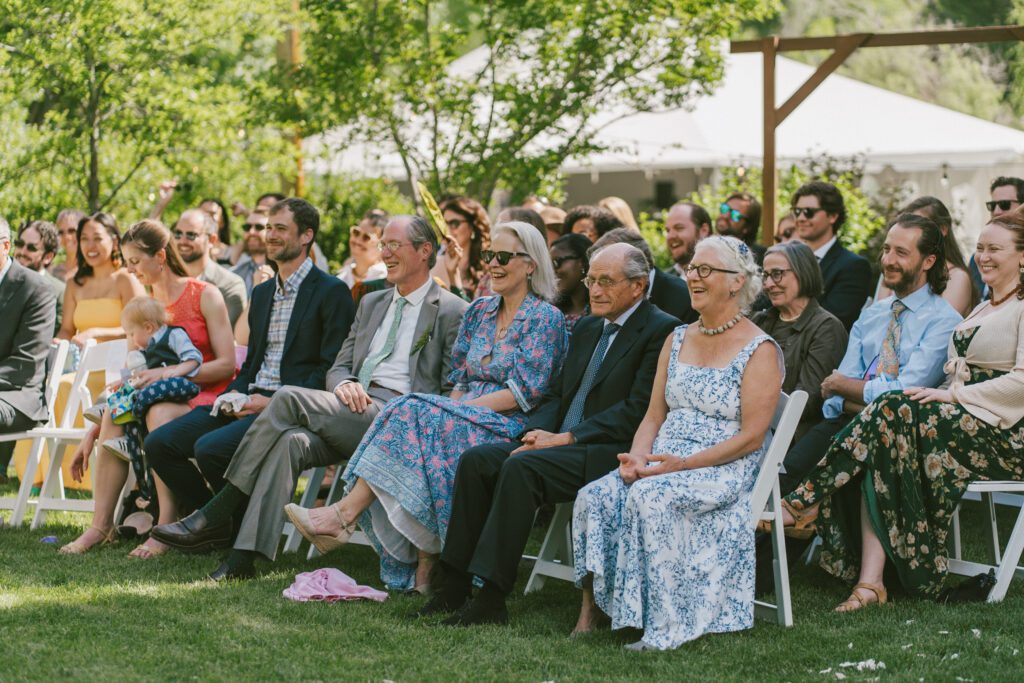
Step Three: Decide what type of venue you’re actually looking for
Instead of scrolling through hundreds of venues, narrow down the category first. Below is a list of some of the styles of venue, with a high-level overview of the pros and cons of each.
For example:
- Backyard/private property
- Mountain lodge or cabin
- Airbnb
- Ranch/barn
- Hotel/resort
- Elegant/ upscale wedding venue
- Restaurant
- Camp/retreat property
- Community/event space
- National/state park or other public property
- Church or other religious space
Backyard / Private Property
Best for: Couples who want something personal, relaxed, and less traditional.
Trade-offs:
- + Tons of flexibility and potential for personalization
- + Can feel incredibly intimate and meaningful, especially if the property has personal significance
- − Often requires bringing in everything yourself: rentals, catering, restrooms, power, lighting, etc.
- − More logistical planning and coordination can fall on you
- − Weather and parking can become bigger considerations
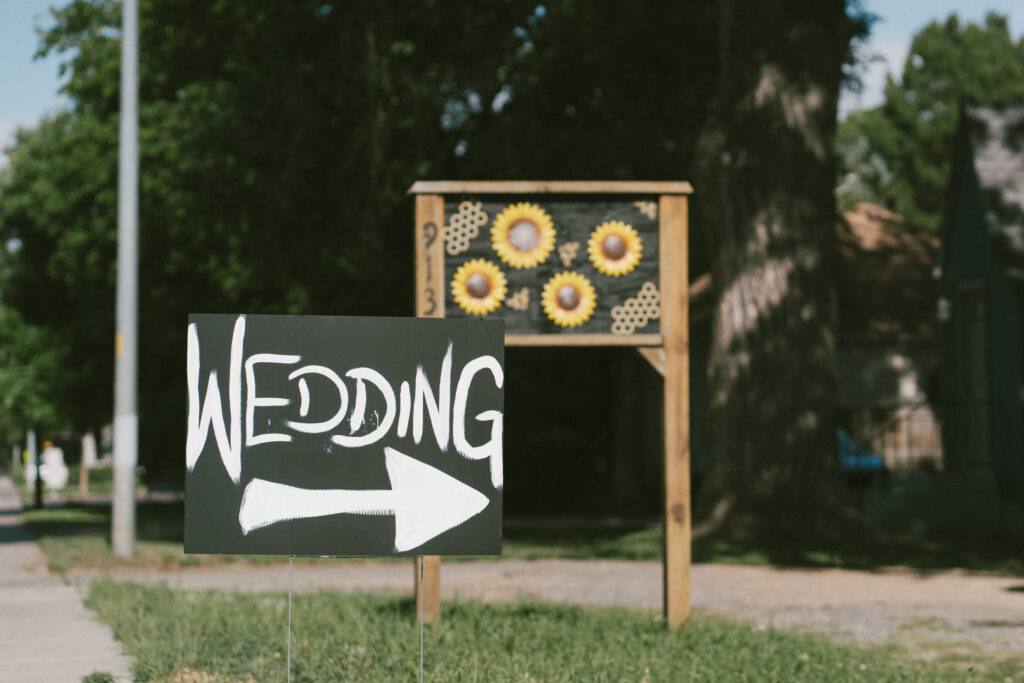
Mountain Lodge / Cabin
Best for: Couples who want a natural setting, cozy atmosphere, and potentially an all-in-one experience.
Trade-offs:
- + Built-in scenery and a strong sense of place
- + Often has lodging and multiple event spaces on-site
- + Great for weekend-long celebrations
- − Mountain weather can be unpredictable
- − Travel can be more complicated for guests
- − Some mountain venues have seasonal limitations, curfews, or vendor restrictions
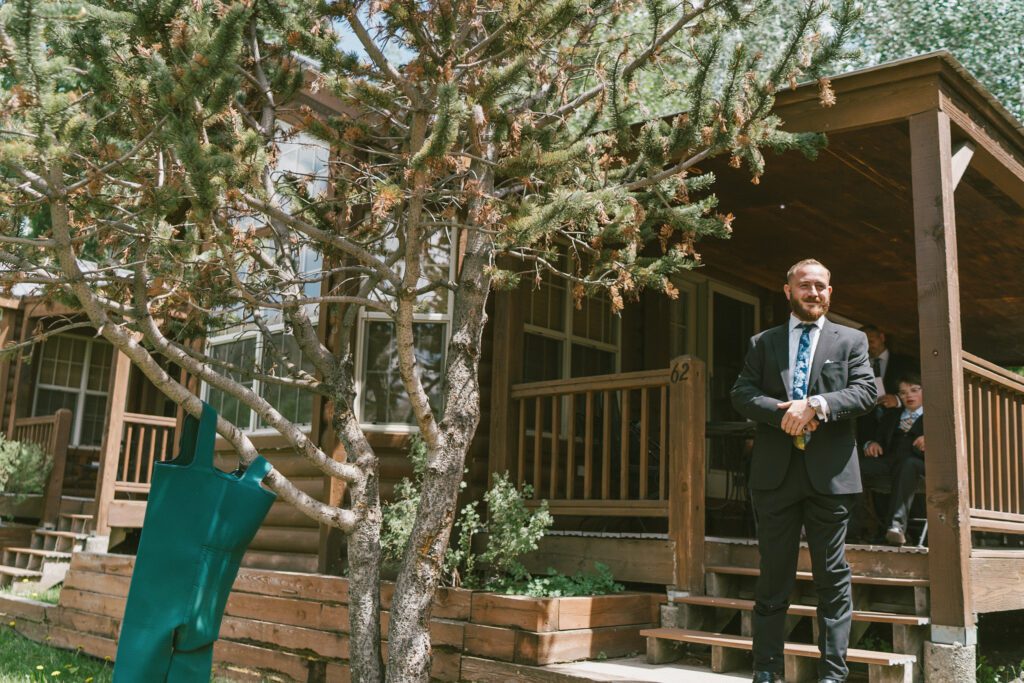
Ranch / Barn
Best for: Couples who want an outdoorsy, relaxed, rustic, or Western feel.
Trade-offs:
- + Lots of outdoor space and room to spread out
- + Can feel less formal and more like a gathering than a traditional wedding
- + Often lends itself well to tented or outdoor celebrations
- − May require significant rentals and infrastructure (many ranch-style venues in Colorado are pretty all-inclusive, however)
- − Uneven terrain can affect accessibility
- − Weather can have a bigger impact on the experience
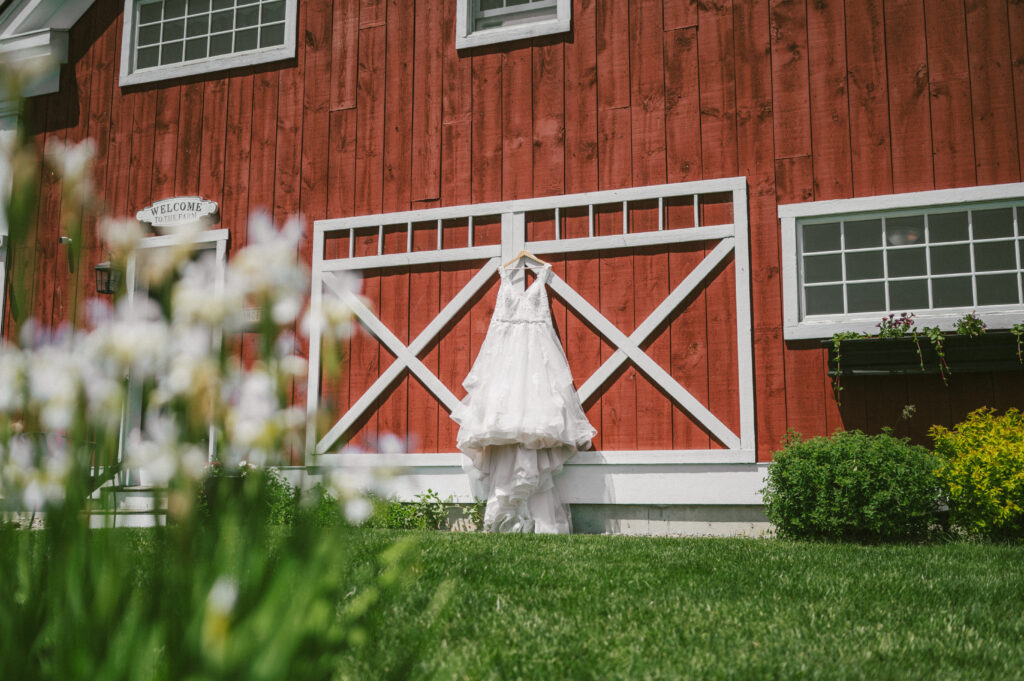
Hotel / Resort
Best for: Couples who prioritize convenience, guest accommodations, and having lots of services in one place.
Trade-offs:
- + Easy for guests, especially those traveling from out of town
- + Lodging, food, bar, and event spaces may all be handled by one team
- + Usually more infrastructure and predictable indoor options
- − Often less flexibility with vendors and catering
- − Can feel less private or personalized
- − Minimums and package requirements can make the total cost higher than the venue fee initially suggests
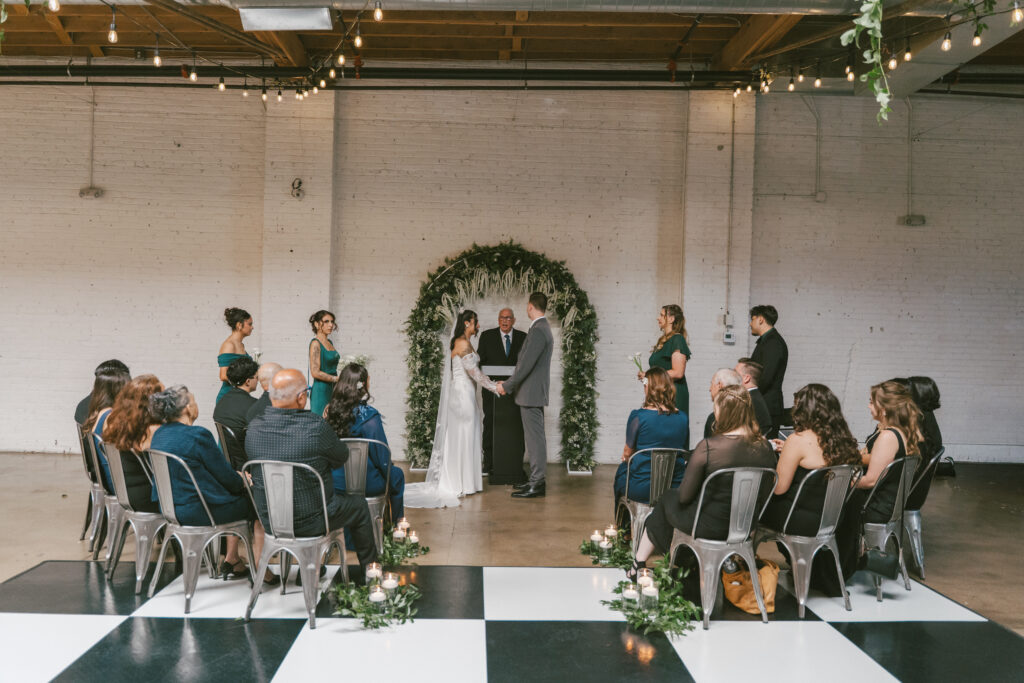
Elegant Wedding / Event Venue
Best for: Couples who want a polished, elevated atmosphere with beautiful spaces and a more refined wedding-day experience.
Trade-offs:
- + Often has beautiful, thoughtfully designed spaces that require less decor to feel finished
- + Typically offers a higher level of service and built-in amenities
- + May have established catering, bar, and event staff, making logistics simpler
- + Often provides a more predictable experience, especially when weather is a concern
- − Can come with higher venue fees, food and beverage minimums, or required vendors
- − May have more restrictions around outside vendors, decor, alcohol, or how the space can be used
- − A polished setting can sometimes feel less flexible or personal than a blank-canvas venue
- − The overall aesthetic may come with expectations for a more formal wedding experience
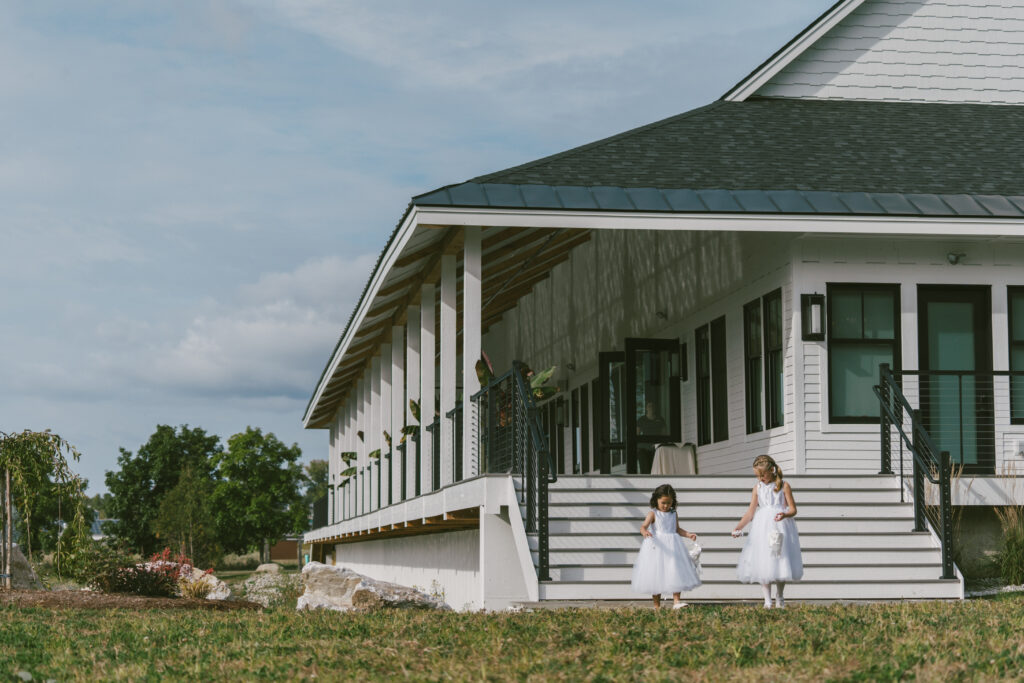
Restaurant
Best for: Couples who care deeply about food and want a more intimate, dinner-focused celebration.
Trade-offs:
- + Food and service are already a major part of the experience
- + Less need to coordinate a separate caterer and kitchen setup
- + Can be great for smaller weddings
- − Less flexibility around layout and guest count
- − May have limitations around dancing, decor, or the timeline
- − You may be working within the restaurant’s normal operating structure
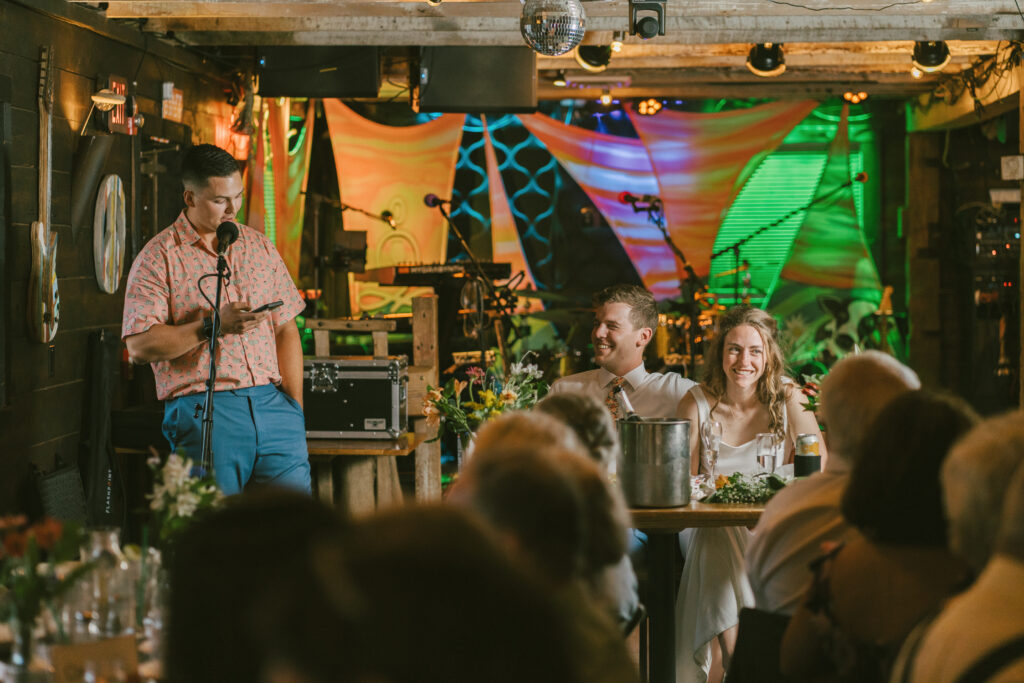
Camp / Retreat Property
Best for: Couples who want their wedding to feel like a full experience or weekend with their people.
Trade-offs:
- + Everyone can stay, hang out, and celebrate together
- + Creates a naturally communal, relaxed atmosphere
- + Lots of opportunities for activities beyond the wedding itself
- + Often suitable for multi-day experiences
- − Guests may need to figure out their own lodging and coordinate transportation
- − Amenities can be more rustic/basic
- − You may take on considerably more logistics than you would at a traditional venue
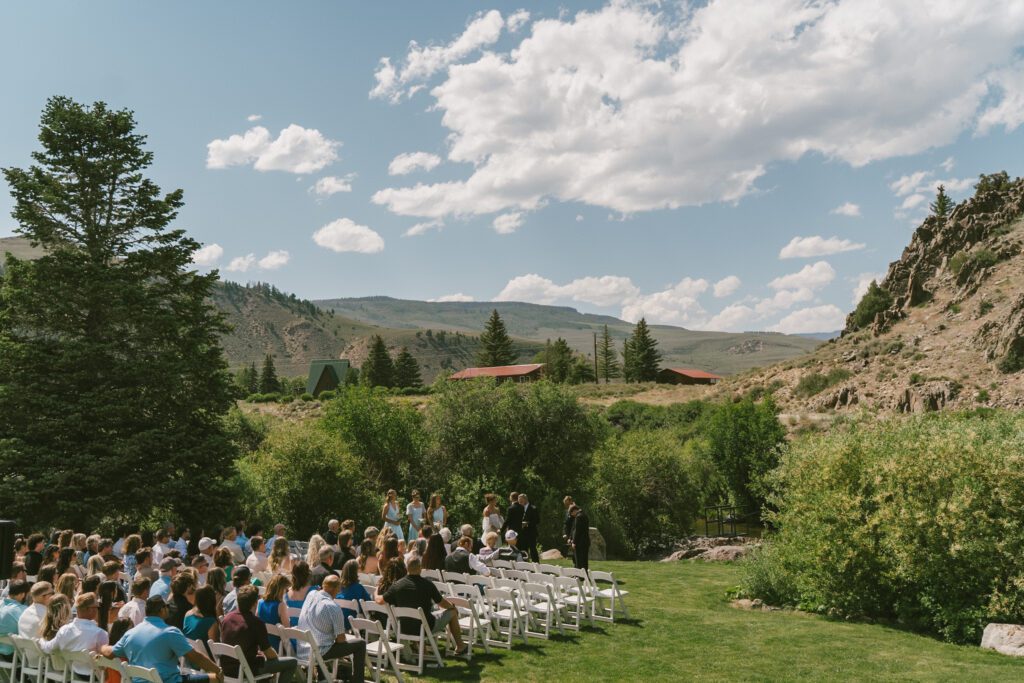
Public Park / Outdoor Property
Best for: Couples who care more about the setting and experience than having a traditional wedding venue.
Trade-offs:
- + Beautiful natural settings without necessarily paying for a traditional venue
- + Can feel much more relaxed and unique
- + Great option for smaller, low-key celebrations
- − Permits and restrictions can be significant
- − Usually much less infrastructure
- − Weather, public access, restrooms, parking, and privacy require more consideration
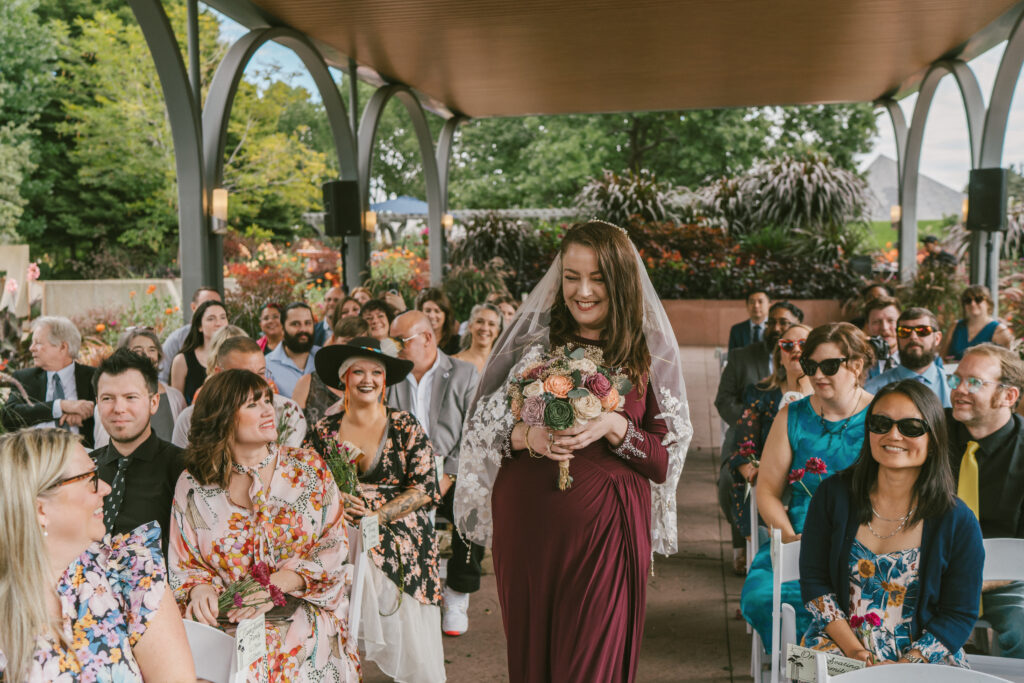
Church / Synagogue / Religious Space
Best for: Couples who want their ceremony to be rooted in their faith, traditions, or community, and who value the meaning and history of getting married in a religious space.
Trade-offs:
- + Can add significant personal, cultural, or spiritual meaning to the ceremony
- + Often has beautiful, established spaces that don’t require much additional decor
- + May offer a built-in community and support system throughout the planning process
- + Can provide a more structured ceremony experience, which can be helpful if you’re incorporating religious traditions
- − May have specific requirements around who can officiate, who can be married there, or which traditions must be incorporated
- − There may be restrictions around photography, videography, music, flowers, decor, or where guests can move during the ceremony
- − Your reception will often need to happen somewhere else, which means coordinating two locations and potentially transportation between them
- − Ceremony times may be limited based on religious services, holidays, or the space’s schedule
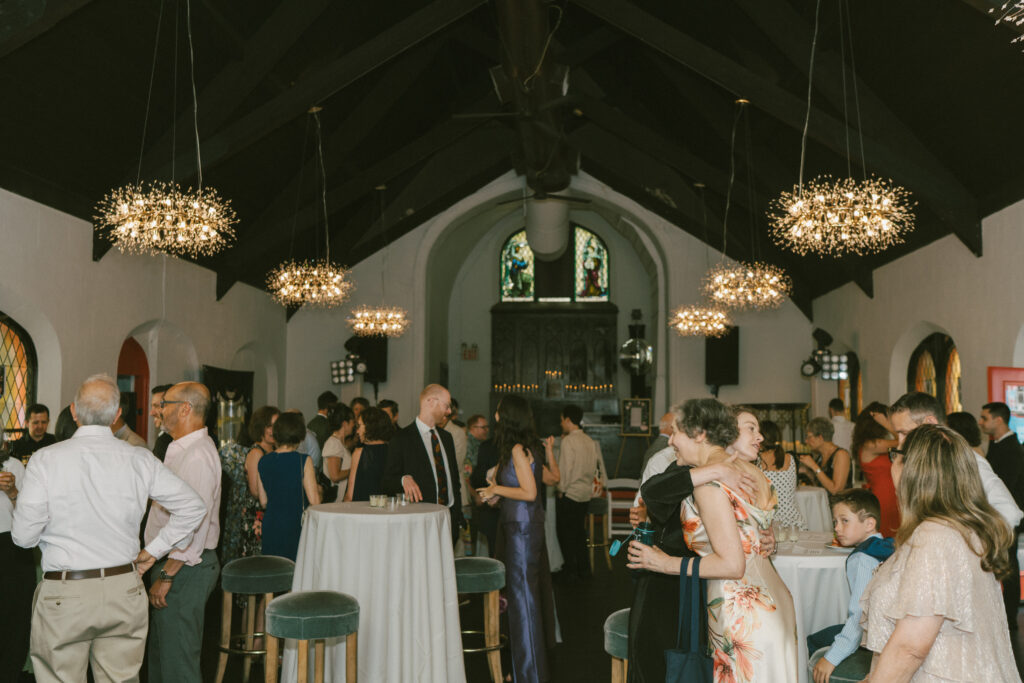
There isn’t a “best” wedding venue. Every option comes with trade-offs. The trick is figuring out which trade-offs you’re actually okay with.
Step Four: Understand what the venue price actually includes
This deserves a big warning box, because this is where couples can get burned. It’s important to ask specific questions when reaching out to venues and when you tour.
- What does the rental fee actually cover?
- How many hours do you get?
- Does that include setup and cleanup?
- Is there a separate ceremony fee?
- Are tables and chairs included?
- Are linens included?
- Is there a getting-ready space?
- Are there required rentals?
- Are there service fees, cleaning fees, security deposits, etc.?
Then ask:
“What will I realistically spend here once I add everything the venue requires?”
A $6,000 venue isn’t necessarily cheaper than a $9,000 venue if the $6,000 venue requires thousands of dollars in rentals, catering minimums, staffing, etc.
Step Five: Know the venue’s vendor rules
Venues all have their own rules to comply with city ordinances, insurance policies, and sometimes arbitrary regulations. Knowing these ahead of time saves you headache and heartbreak later. Below are some of the things you can ask about bringing your own vendors.
Save this list below for when you tour: What to ask a wedding venue before you book:
- What is the total cost, including required fees?
- What’s included in that cost?
- What outside vendors are required for us to book? (venues sometimes require you to have certain vendors, but they don’t actually provide those for you)
- What vendors can we choose ourselves?
- How many hours do we have access to the property?
- When can vendors begin setup?
- When does everything need to be cleaned up?
- What’s the rain/weather backup plan?
- What happens if there’s extreme weather?
- Where can we get ready?
- Where can our guests park?
- Where will the ceremony, cocktail hour, and reception take place?
- Are there restrictions on music/noise?
- Can we bring our own alcohol? What’s the cost if we use the venue’s alcohol provider?
- Are there restrictions on decor?
- What’s the cancellation/rescheduling policy?
- What happens if we need to change our date?
- What additional costs do couples commonly overlook?
Most importantly, before you book, read the contract, not just the venue’s website. Compare what they tell you on a walk-through to the contract you receive.

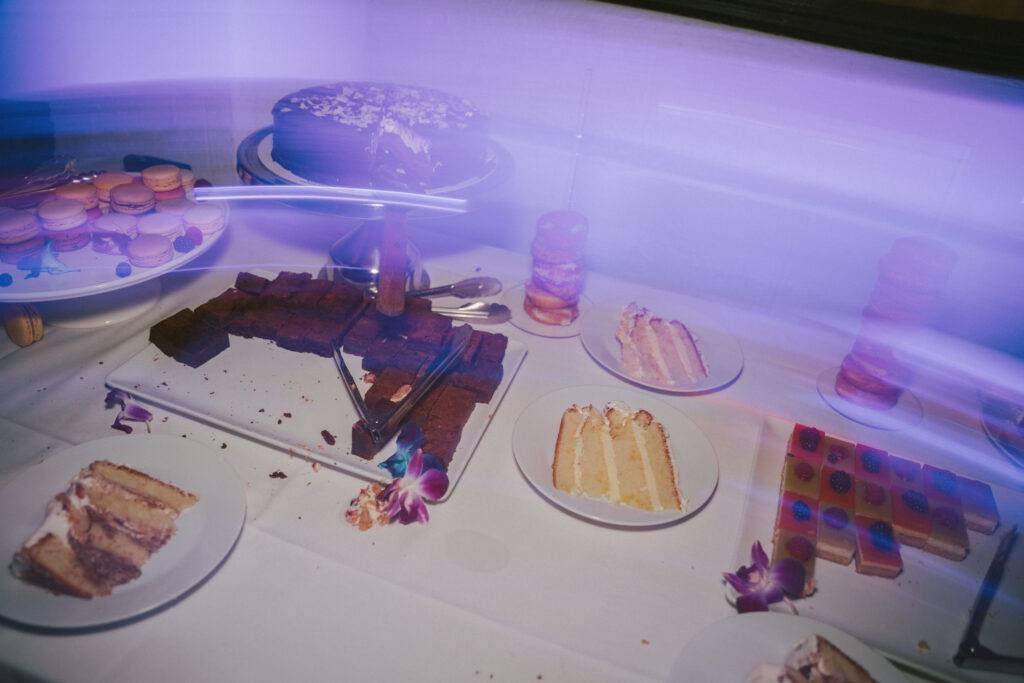
Step Six: Think through the actual flow of the wedding day
Imagine how you want the day to flow. Typically, it looks like:
Getting ready → First look → Ceremony → Cocktail hour/Family photos → Reception starts → Dinner → Dancing → End of night/Grand exit
Then ask/look for:
- Where does each part happen?
- How far apart are those spaces?
- Are guests walking between them?
- Is there a weather backup?
- Where will you take family photos if it’s raining?
- Where do you envision taking portraits of the two of you?
- Where will everyone go during cocktail hour?
- Where will vendors set up?
- Where will the DJ/band go?
- Where does catering need access?
- Where will people park?
- What happens at the end of the night?
And crucially:
Don’t just tour the venue. Walk through your wedding day in your head.
Step Seven: Don’t forget the boring logistical stuff
Think of this as your “things you really don’t want to discover after booking a wedding venue” section.
Things like:
- Parking
- Restrooms
- Accessibility
- Heating/AC
- Power/electrical access
- Cell service/Wi-Fi
- Transportation
- Lodging
- Noise ordinances
- Curfew
- End time
- Setup time
- Cleanup requirements
- Trash
- Security
- Weather plan
- Shuttle requirements
These aren’t sexy, but they’re exactly the things that can turn a dream venue into a nightmare.
Your Wedding Venue Scorecard
Once you’ve toured a few venues, it can be surprisingly hard to remember what you actually liked about each one. They all start to blur together, especially when you’re comparing beautiful spaces with completely different pricing, amenities, and vibes.
You don’t need a giant spreadsheet to figure it out. Instead, give each venue a simple score based on what matters to you.
Your 5-Point Venue Scorecard
How to use this: Give each category a score from 1–5:
- Must-haves: Does this venue meet the things you absolutely need?
- Your priorities: How well does the venue support the things that matter most to you?
- Budget: How does the true total cost fit into your budget?
- Logistics: How easy will this venue make your wedding day?
- Gut feeling: How excited are you to actually get married here?
1 = Not a good fit
3 = Could work
5 = Exactly what we’re looking for
Add your five scores together for a total out of 25. This isn’t about finding the venue with the objectively highest score. It’s about giving yourself a clearer way to compare your options when everything starts running together.
One important exception: your non-negotiables
Before you even add up the score, make sure the venue meets your true non-negotiables.
For example, if you absolutely need an indoor ceremony option and a venue doesn’t have one, it doesn’t matter how beautiful it is or how much you love the location. It’s not the right venue for you.
Use your scorecard to compare venues that actually work for your needs, rather than trying to convince yourself to make a venue work because you love the way it looks.
Your Venue Scorecard
Venue: ______________________
Meets our non-negotiables: YES / NO
Must-haves: ___ / 5
Our priorities: ___ / 5
True cost: ___ / 5
Logistics: ___ / 5
Gut feeling: ___ / 5
TOTAL: ___ / 25
What we loved:
What gives us pause:
Questions we still need answered:
Would we be disappointed if someone else booked this venue tomorrow?
YES / MAYBE / NO
That last question might tell you more than you expect. When you’re stuck between several venues, imagine getting an email tomorrow saying your favorite is no longer available. If your immediate reaction is “Wait, no. That’s the one I wanted,” pay attention to that feeling.
An important note: At some point, you need to give yourselves permission to stop looking
There’s a point where continued research doesn’t create any additional clarity, it just creates decision paralysis.
Once a venue:
- fits you budget,
- meets your non-negotiables,
- supports your priorities,
- works logistically,
- and makes you feel excited about actually getting married there…
you have enough information to make a decision.
You don’t need to prove it’s objectively the best wedding venue in Colorado. It’s all just about finding the one that fits what is most aligned for you and the wedding you’re trying to have.
Ready to Find Your Wedding Venue?
Save this guide, pull it back up when you start touring, and use it to keep yourself grounded when the options start feeling overwhelming.
And once you’ve found the place that feels right, don’t forget to book your photographer! Your venue sets the stage for the day, but your photographs will be what bring it to live when you look back on your day.
If you’re planning a Colorado wedding and want photographs that document the day as it genuinely unfolds,


